
MONEY & VALUE
How You Use Money Changes How You Travel
And what it allows you to do
Money and Value: Traveling Asia with Confidence, Clarity, and Calm
Money is one of the quiet undercurrents of solo travel.
It’s not always about whether you have enough. More often, it’s about whether your money decisions feel steady and considered — especially when you’re travelling alone and making those decisions repeatedly over time. There’s no one else to absorb the impact if something doesn’t work out as planned.
At Ms Grey Nomad, I don’t approach travel money as strict budgeting or constant optimisation. I see it as part of the overall travel experience — something that should support confidence, comfort, and ease, rather than create background stress.
Most travel advice focuses on saving money. This section examines the systems that determine how money actually flows through a life.
Housing structures, mobility, loyalty ecosystems, and infrastructure quietly shape the financial reality of long-term travel. Once those systems are understood, the economics of mobility often look very different from what people expect.
What “Value” Means in Real Travel Terms
For me, value isn’t about finding the cheapest option. It’s about choosing what makes travel feel financially sustainable.
Stress rarely comes from spending too much. It usually comes from uncertainty — not knowing how costs will add up, whether a decision will limit your flexibility later, or whether a small saving will quietly introduce inconvenience or fatigue.
That’s why I prioritise predictable costs over theoretical savings, fewer and better decisions rather than constant recalculation, and choices that quietly support comfort, safety, and location.
These decisions matter more when you’re travelling solo, particularly in unfamiliar environments.
Why Money Decisions Feel Different When You Travel Solo

When you travel alone, every decision sits with you.
That can be empowering, but it also means there’s less margin for error. You’re managing logistics, energy, and consequences at the same time. What feels manageable on a short holiday can feel very different when you’re navigating new places independently.
Many women I hear from aren’t trying to travel cheaply. They’re trying to avoid feeling unsettled, rushed, or financially uncertain — especially when moving on isn’t simple or inexpensive.
This is where thoughtful money planning becomes less about control, and more about confidence.
Predictability Matters More Than Bargains
In practice, predictable costs often deliver better value than low prices.
Accommodation that’s well located and easy to live in can reduce transport costs, safety concerns, and daily decision-making. The same applies to transport choices and arrival timing. These are financial decisions, but they also shape how rested and confident you feel.
Over time, fewer surprises usually lead to a more enjoyable and sustainable travel experience.
How Travel Style Affects the Numbers
There’s no single “right” way to travel — and no single set of rules that works for everyone.
Short trips, longer stays, frequent movement, or mixed travel styles all come with different financial trade-offs. Transport costs, accommodation pricing, and daily expenses interact differently depending on how you structure your trip.
What matters isn’t pace. It’s understanding how your choices fit together, and whether they support the kind of travel experience you actually want.
How to Think About Money When Planning Travel
I don’t track every dollar. I focus on structure first.
Some costs I prefer to keep predictable — accommodation, connectivity, insurance — because that creates a stable base. Other areas stay flexible, which allows for spontaneity and enjoyment.
I’ve also learned that over-tracking can become its own form of fatigue. If managing money starts to feel like a job, the system needs simplifying. Travel should feel supportive, not transactional.
A System, Not a Collection of Tricks
Over time, my approach has shifted away from clever tactics and toward coherence.
The focus is on systems — how accommodation, transport, timing, and cash flow work together. When those elements are aligned, travel becomes calmer — not because everything is optimised, but because fewer decisions are working against each other.
That’s what makes travel feel financially sustainable rather than mentally exhausting.
Spending More — When It Makes Practical Sense
There are times when spending more is simply the sensible option.
A good location, reliable transport, or a comfortable place to rest can protect your energy and confidence. These benefits compound quietly over time, particularly for solo travellers.
These choices aren’t indulgent. They’re stabilising.
When Cutting Costs Creates Friction
Some savings come with hidden costs — inconvenient locations, complicated logistics, or constant movement that drains energy.
I’ve learned to evaluate decisions based on lived experience, not just numbers. If a saving consistently introduces stress or fatigue, it usually isn’t good value.
Points and Credit Cards — Used Realistically
Points and credit cards can be part of travel planning — but only within clear limits.
As an Australian, the reality is that credit card churning and points strategies are far more constrained than what’s commonly promoted in US-based blogs. There are fewer cards, fewer bonuses, and less room for aggressive tactics. That simply means the approach needs to be more selective and realistic.
I focus on simple, repeatable strategies that reduce cash outlay or add flexibility — without requiring constant monitoring or frequent plan changes. If a tactic creates stress, complexity, or decision fatigue, I don’t use it.
What You’ll Find in Money and Value
In this section, I share practical guidance on travel costs without rigid budgeting, the trade-offs between price, comfort, and predictability, how to plan trips that feel financially steady, and when financial strategies help — and when they don’t.
Everything here is grounded in lived experience and written for women who want to travel confidently, not obsessively.
Like safety, comfort, and mindset, money works best when it is treated as a support system rather than a constant problem to solve.
A Final Thought
Money decisions sit alongside safety, comfort, and readiness as part of the broader travel planning framework outlined in Travel Planning.
Money should support your travel — not dominate it.
The goal isn’t to travel as cheaply as possible. It’s to travel in a way that feels calm, confident, and aligned with your life.
That’s what Money and Value means at Ms Grey Nomad.
MONEY & VALUE POSTS
This section looks at how money actually works when you travel — not how to spend less, but how to structure it so your travel feels stable, sustainable, and aligned with how you want to live.
Japan Hotel Reviews: Six Real Stays, Tokyo to Sapporo
Six Hotels, One Route Through Japan Six hotels, six weeks, one route through Japan — and only two of them…
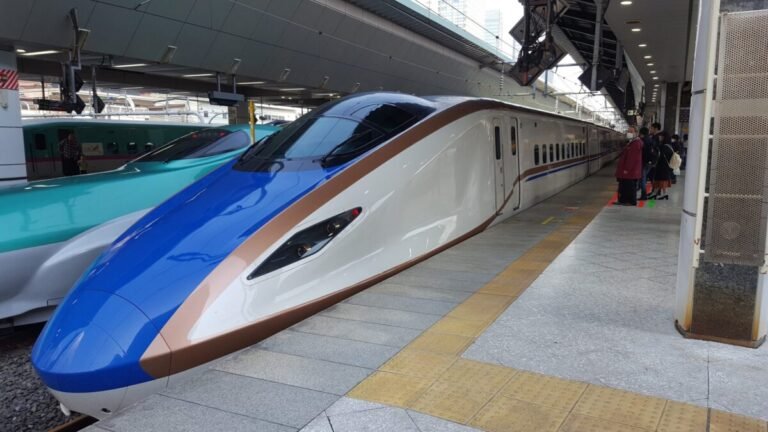
Why I Won’t Buy The JR Pass Again
I paid AUD 890 for a twenty-one day JR Pass. The legs I actually rode, priced individually with a reserved…

Solo Travel in Retirement: How I Left Australia and Never Came Back
I did not leave Australia because something went wrong. There was no crisis, no loss, no moment of standing in…

Why I Sold My House and Live In Hotels Instead
Most people assume that long-term travel must be financially reckless. The image that usually comes to mind is one of…
Travel Logistics Planner
A simple framework for thinking through the logistical side of travel — flights, entry requirements, accommodation and transfers — before the journey begins.
Delivered instantly. Occasional thoughtful updates from the road.