
Table for One
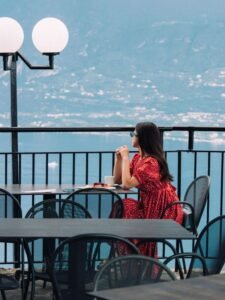
As I settled into my first solo dinner in a bustling Parisian bistro, my heart pounded against my chest. The fear of dining alone had almost kept me from booking this solo female travel adventure altogether. Yet there I was, a woman in her fifties, determined to overcome one of the most common anxieties that plague solo female travelers. The journey from dreading solo dining to savoring every moment of it has transformed not just my travels, but my entire approach to independence.
Solo female travel continues to grow in popularity among women over 40, yet the prospect of dining alone remains a significant barrier for many. This reluctance stems from societal conditioning, personal insecurities, and practical concerns that uniquely affect women travelers. However, learning to embrace solo dining doesn’t just enhance your travel experience—it becomes a powerful act of self-affirmation.
In this guide, I’ll share how you can transform solo dining from an anxiety-inducing experience into one of the most rewarding aspects of traveling alone. From practical strategies to mindset shifts, you’ll discover how to make every meal an opportunity for connection, reflection, or simply pure enjoyment.
Understanding the Fear: Why Dining Alone Feels Intimidating
The anxiety surrounding solo dining runs deeper than simple shyness. For women over 40 who embrace solo female travel, this discomfort often stems from decades of social conditioning and personal experiences. Understanding these fears is the first step toward conquering them.
Social Conditioning and Cultural Expectations
From a young age, women are taught that dining is primarily a social activity. Meals represent togetherness, family bonds, and relationship building. This cultural expectation creates a powerful psychological barrier. In many societies, a woman dining alone still raises eyebrows or invites unwanted attention. This perception intensifies for women over 40, who grew up in generations where female independence wasn’t as celebrated as it is today. In more conservative societies, this independence is still frowned upon.
During my first solo trip to Italy, I noticed how waiters would often ask if I was “waiting for someone,” as if my solitude must be temporary. Their surprise when I replied, “No, just me” revealed volumes about societal expectations. Yet each time I confidently claimed my table for one, I helped normalise this experience—not just for myself, but for other women watching.
The Spotlight Effect and Self-Consciousness
Many of us suffer from what psychologists call the “spotlight effect”—the belief that everyone is watching and judging us. In reality, most people are too absorbed in their own experiences to pay much attention to others.
“I was so certain everyone was staring at me,” shared Maria, a 47-year-old solo traveler I met in Barcelona. “But after twenty minutes, I realized not a single person had looked my way. They were all engrossed in their own meals and conversations.”
For women over 40, this self-consciousness can be compounded by age-related insecurities. Society may have conditioned us to believe we become less visible as we age, yet paradoxically, we often feel more exposed when dining alone. Recognising this contradiction helps put the fear in perspective.
Safety and Practical Concerns
Beyond psychological barriers, women traveling solo face legitimate safety considerations. Dining alone, particularly in the evening or in unfamiliar neighborhoods, can feel vulnerable. Questions arise: Is this restaurant safe for a woman alone? Will I attract unwanted attention? How do I navigate public transportation back to my accommodation after dinner?
These concerns aren’t imaginary—they reflect the real challenges women face when traveling. However, with proper planning and awareness, they shouldn’t prevent us from enjoying solo dining experiences. In fact, many women in their 40s, 50s, and beyond report feeling more equipped to handle these situations than their younger selves, drawing on decades of life experience and self-awareness.
The Empowerment Mindset: Reframing Solo Dining
Transforming solo dining from an anxiety-inducing experience into an empowering one requires a fundamental shift in mindset. This mental reframing has been essential in my solo female travel journey, turning what once felt like vulnerability into a source of strength.
Embracing Independence as Strength
Solo dining represents far more than simply eating a meal—it’s a declaration of independence. When I first sat alone at a seaside restaurant in Greece, I consciously decided to view my solitude not as something to hide or apologise for, but as something to celebrate.
Independence at the table mirrors independence in life. As women over 40, many of us have navigated career challenges, relationships, perhaps raising children, or caring for aging parents. We’ve made difficult decisions and stood on our own before. Dining alone merely extends this self-reliance into a new context.
Try this: Before your meal, take a moment to acknowledge your courage in traveling solo. Remind yourself that choosing your own adventure—including where and how you dine—is a privilege you’ve earned. This simple mental reframing can transform nervousness into pride.
The Freedom of Anonymity
One of the unexpected gifts of solo dining while traveling is the liberating anonymity it provides. In a restaurant far from home, no one knows your story, your struggles, or your status. This anonymity offers rare freedom—to be fully present, to observe without judgment, to simply exist in the moment.
“Being anonymous gave me permission to be whoever I wanted,” explains Jennifer, a 52-year-old widow who began solo traveling after her husband’s passing. “At home, I was defined by my loss. In a café in Lisbon, I was just a woman enjoying her coffee and pastry. That anonymity helped me rediscover parts of myself I’d forgotten.”
For women over 40 navigating life transitions—divorce, empty nests, career changes, retirement planning—this temporary escape from defined roles can be profoundly refreshing. Solo dining creates a space where you’re free to focus entirely on your own experience.
Viewing Solo Dining as Self-Care
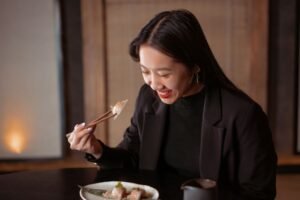
Perhaps the most powerful mindset shift is viewing solo dining not as something to endure but as a deliberate act of self-care. In a world that constantly demands women’s attention and emotional labor, claiming time to nourish yourself—both physically and mentally—is revolutionary.
During my solo trip through Japan, I learned to approach each meal as a gift to myself. I chose restaurants based solely on my preferences, ate at my own pace, and savored flavors without conversation to distract me. This practice of mindful dining became a form of meditation, anchoring me in the present moment in a way that shared meals rarely allow.
This perspective particularly resonates with women over 40, who have often spent decades prioritising others’ needs. Solo dining offers a powerful reminder that your preferences, comfort, and pleasure matter—a lesson that extends far beyond the restaurant table.
Practical Strategies: Before You Dine
Successful solo dining experiences begin long before you take your seat at the table. Thoughtful preparation can dramatically reduce anxiety and set the stage for enjoyable meals during your solo female travel adventure.
Research and Restaurant Selection
Choosing the right venue is perhaps the most critical factor in enjoying solo dining. Not all restaurants are equally welcoming to solo diners, particularly women traveling alone.
Look for restaurants with:
Review sites like TripAdvisor or Google Maps often include comments from other solo travelers. Search specifically for phrases like “good for solo dining” or “solo female friendly.”
When I planned my trip to Bangkok, I found a local food blogger who specialised in solo dining recommendations. Her tips led me to a delightful family-run restaurant with a counter overlooking the open kitchen—perfect for dining alone while watching the culinary action.
Timing Your Meals Strategically
When you dine can be as important as where you dine. Consider these timing strategies:
Early dinners (5:30-6:30 pm) are generally quieter, giving you more attention from servers and a relaxed atmosphere. This timing also addresses safety concerns about returning to your accommodation after dark.
Lunch offers similar culinary experiences to dinner at lower prices and with a more casual vibe. Many fine dining restaurants offer lunch specials that make luxury experiences more accessible.
During my solo trip to Spain, I embraced the local custom of late lunches (2-3 pm) as my main meal, followed by light tapas in the early evening. This rhythm allowed me to enjoy the country’s culinary highlights while avoiding the sometimes-intimidating atmosphere of restaurants during peak dinner hours.
Making Reservations and Special Requests
Never hesitate to make reservations, even as a solo diner. This simple step establishes your legitimacy and ensures you won’t be turned away or given the worst table.
When making a reservation, be specific about your preferences. Most restaurants appreciate clear requests and will accommodate them when possible. As women over 40, we’ve earned the right to ask for what we want without apology.
For special dining experiences, consider booking a private cooking class or food tour early in your trip. These activities not only provide memorable meals but can also connect you with like-minded travelers and locals who might become dining companions for later meals if you wish.
In-the-Moment Techniques: During Your Meal
Once you’ve arrived at the restaurant, specific strategies can help you feel comfortable and enjoy your solo dining experience to the fullest. These in-the-moment techniques have transformed countless uncomfortable situations into delightful memories during my solo female travel adventures.
The Confident Entrance and Seating
How you enter a restaurant sets the tone for your entire experience. Walk in with your head high, make eye contact with the host, and state your needs clearly: “Table for one, please.” Avoid apologetic language or explanations for being alone—you don’t need to justify your presence!
If offered a poor table (near restrooms or kitchen doors), politely request an alternative. “I’d prefer that table by the window, if possible.” Most establishments will accommodate reasonable requests, especially when made confidently.
I’ve learned that appearing self-assured often leads to better treatment than appearing uncertain. During a solo dinner in Istanbul, I was initially offered a table in a dark corner. A simple, “I’d enjoy people-watching from that lovely terrace table instead” resulted in an immediate and gracious relocation.
Dining Companions: Books, Journals, and Technology

Having something to occupy your attention can ease initial discomfort and provide natural breaks from eating. Consider these options:
A physical book signals “I’m contentedly occupied” more effectively than a phone, which might suggest you’re merely killing time. Travel memoirs or novels set in your destination create a particularly appropriate atmosphere.
Journaling your travel experiences transforms dining time into a reflective practice. I use solo dinners to journal my day’s adventures while they’re still fresh. These journal entries have become my most treasured souvenirs and I share them with my readers on this website.
Digital devices offer practical benefits, from researching your next day’s adventures to reading e-books. However, consider keeping phone use minimal to remain present in your surroundings and open to genuine connection.
Engaging with Servers and Fellow Diners
Your server can significantly impact your dining experience. Establish a warm connection by asking for recommendations or inquiring about local specialties. Many servers appreciate curious solo diners and will provide attentive service in return.
While not every solo meal needs to become a social event, remaining open to conversation can lead to unexpected connections. A simple compliment or question about a nearby diner’s meal can sometimes blossom into delightful exchanges.
During a solo dinner in Kyoto, my question to the sushi chef about a particular preparation technique led to a fascinating conversation. He introduced me to other regular customers, and what began as a potentially awkward solo meal evolved into a memorable cultural exchange. Such spontaneous connections often come more easily to women over 40, whose life experience has typically developed both confidence and conversational skills.
Beyond Basics: Elevating the Solo Dining Experience
Once you’ve mastered the fundamentals of comfortable solo dining, you can explore ways to transform these experiences from merely acceptable to truly exceptional. These advanced strategies have added depth and joy to my solo female travel adventures.
Culinary Adventures and Food Exploration
Solo dining offers the perfect opportunity to explore new cuisines without compromising for others’ preferences. Without a dining companion’s dietary restrictions or taste preferences to consider, you’re free to order exactly what intrigues you!
Consider making culinary exploration a theme of your trip. On my solo journey through Vietnam, I challenged myself to try one unfamiliar street food each day. This mission gave purpose to my solo meals and provided natural conversation starters with vendors and fellow food enthusiasts.
Food tours and cooking classes designed for small groups offer another excellent avenue for culinary discovery. The cooking class I took in Bali was a highlight of my trip. I learned to make dishes I can prepare at home, and I met three other solo female travelers who became my dinner companions for the rest of my stay.
The Art of Mindful Eating

Solo dining presents a rare opportunity to practice mindful eating—paying full attention to the sensory experience of your meal without conversation’s distraction. This practice not only enhances your appreciation of food but can transform dining into a meditative experience.
Try this mindfulness exercise: For the first three bites of each dish, close your eyes briefly to focus completely on the flavors, textures, and aromas. Notice how different this experience is from your usual meals at home or with companions.
During a solo lunch at a tiny family restaurant in southern France, I practiced this technique with a simple ratatouille. The intensity of flavors I discovered—the sweet caramelisation of the vegetables, the complexity of herbs, the fruity notes in the olive oil—created a memory more vivid than many elaborate meals I’ve shared with companions.
Treating Yourself to Fine Dining Experiences
Many women over 40 hesitate to enter upscale restaurants alone, fearing judgment or discomfort. Yet fine dining establishments often provide the most attentive, professional service to solo diners. A thoughtfully prepared meal in beautiful surroundings can become a highlight of your trip—one that requires no compromise or coordination with others’ schedules or preferences.
At 52, I finally gathered the courage to book a table at a Michelin-starred restaurant in Copenhagen. My anticipated discomfort never materialised; instead, I received impeccable service, thoughtful explanations of each course, and a level of attention that might have been diluted had I been dining with companions. The experience shifted my perspective permanently—I now view solo fine dining not as intimidating but as a luxury.
From Anxiety to Enjoyment: The Evolution of a Solo Diner
The journey from fearing solo dining to embracing it mirrors the larger transformation many women experience through solo female travel. This evolution typically unfolds in stages, each representing growth in confidence and self-acceptance.
The Progression of Comfort
Most solo female travelers over 40 recognise this common progression:
Stage 1: Avoidance and Alternatives
Initially, many women go to great lengths to avoid dining alone, subsisting on grab-and-go meals eaten in hotel rooms or seeking out food courts and casual spots where solo dining is normalised.
Stage 2: Strategic Solo Dining
As confidence builds, women begin dining alone strategically—choosing specific restaurants, times, and seating arrangements to minimise discomfort.
Stage 3: Comfortable Acceptance
Eventually, solo dining becomes merely practical—neither particularly anxiety-inducing nor especially enjoyable, just a normal part of traveling alone.
Stage 4: Active Enjoyment
The final transformation occurs when women begin actively planning and looking forward to solo dining experiences as highlights of their trips.
“I used to hide behind my book during solo meals,” admits Janet, a 59-year-old frequent traveler. “Now I often don’t bring reading material at all. I prefer to fully absorb the atmosphere, the flavors, and occasionally engage with those around me. Solo dining has become something I look forward to rather than endure.”
Perspective Shifts from Seasoned Solo Travelers
Women who have embraced solo dining consistently report unexpected benefits that extend beyond the travel experience itself:
Enhanced observation skills develop when you’re not focused on conversation. “I notice architectural details, subtle interactions between staff, the careful plating of dishes—things I’d miss entirely while engaged in dinner conversation,” notes Helen, who began solo travel at 46 after her divorce.
Increased cultural understanding often results from the focused attention solo dining allows. When dining with companions from home, it’s easy to remain in a bubble of familiar conversation. Dining alone creates space for cultural immersion.
Greater self-reliance emerges naturally. Each successful solo dining experience builds confidence that transfers to other areas of life. Many women report feeling more capable of handling social situations, making decisions, and trusting their judgment after mastering solo dining abroad.
Bringing Solo Dining Skills Home
Perhaps the most profound aspect of mastering solo dining while traveling is how these skills transfer to everyday life. Many women find that comfort with dining alone while abroad gradually extends to their home environments.
“After enjoying solo dinners in Paris and Rome, it seemed ridiculous to avoid my favorite local bistro just because I didn’t have a dining companion that evening,” explains Deborah, 63. “Now I treat myself to dinner out alone at least once a month. It’s become a form of self-care rather than a source of anxiety.”
This transfer of confidence represents a significant life skill for women over 40, particularly those navigating transitions like divorce, widowhood, or empty nests. The ability to enjoy your own company in public settings—without embarrassment or explanation—becomes an asset that enriches daily life long after your solo female travel adventure ends.
Conclusion: Your Table Awaits
The journey from fearing solo dining to embracing it represents far more than simply becoming comfortable eating alone. It symbolises a deeper transformation that many women over 40 experience through solo female travel—the shift from seeking external validation to finding contentment in our own company.
That nervous woman I once was, hesitating at the entrance of a Parisian bistro, would hardly recognise the confident traveler I’ve become—someone who now requests “the best table for one” without apology or explanation. Each solo meal has built upon the last, gradually replacing anxiety with anticipation, self-consciousness with self-assurance.
The truth I’ve discovered is that dining alone while traveling offers unique pleasures unavailable in shared meals: the freedom to choose based solely on personal preference, the space for mindful appreciation of each bite, the openness to unexpected connections, and the quiet pride in navigating new experiences independently.
For women over 40 contemplating solo female travel, remember that discomfort with dining alone is both common and completely conquerable. The strategies shared in this guide—from practical preparation to mindset shifts—will help you transform solo dining from a source of anxiety into a highlight of their travels.
Your journey to comfortable solo dining may begin with baby steps—perhaps a casual lunch at a café with counter seating—but it needn’t stop there. As your confidence grows, so too will your willingness to claim space at any table that tempts you, from street food stalls to fine dining establishments!
The next time you find yourself hesitating outside a restaurant during your travels, take a deep breath and remember: you belong at that table for one. Your solo female travel adventure—and your life—become richer each time you gather the courage to step inside.
What solo dining experience will you give yourself permission to enjoy on your next journey? Your table is waiting.