

The moment I booked my first solo trip at 43, my phone lit up with concerned messages. “Aren’t you worried about traveling alone?” “Won’t you feel lonely?” “Is that safe for a woman your age?” These reactions reflect the persistent solo travel myths that particularly target women over 40. Yet these misconceptions couldn’t be further from the truth.
Solo travel for women over 40 isn’t just possible—it’s often transformative. As someone who has now visited 17 countries alone in my 40s and 50s, I’ve encountered these myths repeatedly and watched them crumble with each passport stamp. The freedom, confidence, and joy that come from exploring the world on your own terms are unparalleled, especially with the wisdom and self-knowledge that accompany midlife.
In this article, we’ll debunk seven common solo travel myths that might be holding you back from booking that ticket. Whether you’re divorced, widowed, single by choice, or simply craving adventure outside your family routine, it’s time to replace fear with facts and hesitation with inspiration. Let’s dismantle these misconceptions one by one and open the door to your solo traveling future.
Myth #1: “Solo Travel is Lonely”
The image of a solitary woman dining alone or wandering museum halls with no one to share observations with contributes to perhaps the most persistent of solo travel myths. However, the reality differs dramatically from this melancholy picture.
The Reality of Making Connections on the Road
Solo travel creates an openness to connection that traveling with companions often doesn’t. Without the safety net of familiar company, you’ll find yourself striking up conversations with locals at cafés, joining walking tours, or chatting with fellow travelers at hostel community tables.
During my solo trip to Portugal last year, I joined a cooking class in Lisbon where I met three other solo female travelers in their 40s and 50s. We spent the next three days exploring the city together, sharing meals and stories. Two years later, we still have an active group chat and have even reunited for a weekend in Barcelona.
Research shows that solo travelers often report more meaningful social interactions than those traveling with companions. Without the buffer of familiar company, you’re much more likely to engage with your surroundings and the people in them.
How Solo Travel Actually Enhances Your Social Life
The beauty of solo travel lies in its balance. You can enjoy peaceful solitude while watching a sunset in Santorini, then join a group tour the next day when you’re craving conversation. This rhythm of connection and reflection often isn’t possible when traveling with companions who may have different social needs.
Many women find that solo travel actually enhances their overall social skills. After navigating foreign train systems and initiating conversations with strangers abroad, everyday social situations back home suddenly feel much less intimidating.
Maria, a 52-year-old teacher who began solo traveling after her divorce, shared: “I was terrified of eating alone in restaurants before my first solo trip. Now, I actually enjoy taking myself out for dinner at home and abroad. I’ve had fascinating conversations with waiters, bartenders, and fellow diners that never would have happened if I’d been focused on a travel companion.”
The freedom to choose when to be social and when to enjoy your own company is one of solo travel’s greatest gifts. Far from lonely, it offers a refined form of social interaction based entirely on your preferences.
Myth #2: “Solo Travel is Unsafe for Women”
Safety concerns top the list of solo travel myths, especially for women over 40 who may have been raised with particularly strong cautions about traveling alone. Media sensationalism of isolated incidents can magnify these fears, but let’s examine the facts.
Safety Statistics vs. Media Perception
Statistically, popular tourist destinations are often remarkably safe. Countries like Japan, New Zealand, Portugal, and Iceland consistently rank among the world’s safest destinations, with exceptionally low rates of violent crime against tourists.
A 2023 study by the Solo Female Travel Safety Index reported that 87% of women surveyed felt equally or more safe traveling abroad compared to their home countries. Furthermore, women over 40 reported fewer safety incidents than younger travelers, perhaps due to greater life experience and situational awareness.
The perception of danger often outweighs the reality. While certain precautions remain important, the vast majority of solo female travelers return home with nothing but positive experiences and memories.
Smart Safety Strategies for Solo Female Travelers
Age and experience provide excellent foundations for travel safety. Most women over 40 have developed strong intuition and boundary-setting skills that serve them well on the road.
Some practical strategies that have served me and countless other solo female travelers include:
Sylvia, a 58-year-old who began solo traveling after becoming an empty-nester, explains: “I wear a wedding ring even though I’m divorced and mention ‘my husband’ occasionally in certain countries. Is it slightly deceptive? Perhaps. But it’s a simple boundary-setting tool that works for me.”
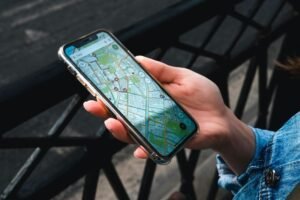
Technology has also transformed solo travel safety. With international e-SIM, safety apps, and the ability to share your location with loved ones, you’re never truly alone unless you choose to be.
The key is balancing awareness with enjoyment. Taking reasonable precautions allows you to embrace the freedom of solo travel without unnecessary fear.
Myth #3: “You’re Too Old to Start Traveling Solo”
Of all the solo travel myths, this one particularly targets women over 40. There’s a pervasive notion that solo travel belongs to twenty-somethings with backpacks, not established women with careers and life experience.
Why Age is Actually Your Secret Advantage
Your 40s, 50s, and beyond are often ideal for solo travel. You likely have:
These advantages translate into more comfortable, personalized travel experiences. Unlike younger travelers who may feel pressure to visit certain “Instagram-worthy” locations or party until dawn, you can design travel experiences that truly reflect your interests.
Having traveled solo in both my 20s and my 40s, I can confidently say the experiences differ dramatically. My younger travels were often exciting but chaotic, dominated by budget constraints and peer influence. Now, my trips reflect my authentic interests—lingering in museums that fascinate me, splurging on cooking classes, or simply sitting in a café for hours people-watching without feeling I’m missing out on something.
Stories of Women Who Started After 40
Janet began solo traveling at 47 after a health scare made her realise life was too short to wait for others to join her adventures. She started with a guided tour in Scotland, which gave her the confidence to plan independent trips to Japan and New Zealand the following year.
“People act surprised when I tell them I’m traveling alone at 52,” she says. “But I’ve found that locals often take special interest in solo female travelers my age. They seem to respect the independence and sometimes go out of their way to ensure I experience their culture authentically.”
Carol waited until retirement at 65 to begin her solo adventures. With her children grown and recently widowed, she decided to fulfill her lifelong dream of seeing the Northern Lights. That first trip to Iceland unleashed a passion for travel that has since taken her to 12 countries in five years!
“I wish I hadn’t believed I was too old for so long,” she reflects. “Some of my fellow travelers are in their 30s, others in their 70s. Age becomes irrelevant when you’re sharing the wonder of seeing a new place for the first time.”
The travel industry has noticed this trend. Many tour companies now offer options specifically designed for solo travelers in midlife and beyond, recognizing that this demographic often seeks deeper cultural experiences and comfortable accommodations.
Myth #4: “Solo Travel is Too Expensive”
Financial concerns feature prominently among solo travel myths, particularly the dreaded “single supplement” that can make accommodations pricier for solo travelers.
Budget-Friendly Solo Travel Approaches
While traveling alone does mean you can’t split some costs, there are numerous ways to make solo travel financially accessible:

After Sarah’s divorce left her finances in disarray, she thought international travel would be impossible for years. Then she discovered Portugal’s affordability during November. The mild weather, reduced crowds, and significantly lower prices made for an incredible two-week adventure that cost less than many weekend trips during high season.
Financial Freedom Advantages of the 40+ Traveler
Women over 40 often have financial advantages that younger travelers don’t:
In my 20s, I tried to do everything on my travels because I didn’t know when I’d return. Now I’m selective about experiences that truly interest me. I might splurge on a fantastic food tour but skip the tourist trap attractions. This focus makes my trips both more meaningful and more affordable.
The flexibility of solo travel also creates cost-saving opportunities. You can change plans to take advantage of last-minute deals, extend stays in places you love when you find good accommodations, or move on quickly from destinations that don’t resonate with you—all without negotiating with travel companions.
Myth #5: “You Need to Be Adventurous and Fit”
Another of the persistent solo travel myths suggests that independent travel requires exceptional physical fitness and an adventurous personality. This misconception particularly affects women over 40, who may worry about keeping up with imagined physical demands.
Travel Styles for Every Personality and Fitness Level

Solo travel accommodates every personality type and physical ability. If zip-lining through rainforests doesn’t appeal to you, perhaps museum-hopping in Paris, food tours in Tokyo, or relaxing beach stays in the Caribbean might.
I’ve never been particularly athletic, and a knee injury in my early 30s further limited some activities. Rather than preventing travel, this simply shaped my choices. During my trip to Costa Rica, while others in my age group went whitewater rafting, I enjoyed a leisurely boat tour spotting wildlife, followed by exploring local markets—equally enriching but aligned with my physical comfort.
For introverts, solo travel offers perfect control over social interaction. You can retreat to your room when you need solitude or join group activities when you’re feeling social. Many introverted women actually find solo travel less exhausting than traveling with companions because they can manage their social energy more effectively.
Finding Your Perfect Travel Pace
One of the greatest benefits of traveling alone in midlife is setting your own pace. You can:
I used to exhaust myself trying to see everything. Now I plan one major activity per day, with the rest open to serendipity. I’ve had much richer experiences since adopting this approach.
Many women discover that their travel style evolves over time. While your first solo trips might involve guided tours for security and companionship, subsequent journeys often become more independent as confidence grows.
The key is honoring your authentic preferences rather than forcing yourself into someone else’s travel template. Solo travel success comes from alignment with your personality and physical needs, not conforming to external expectations.
Myth #6: “You’ll Miss Out Without a Travel Companion”
Among common solo travel myths is the belief that experiences are somehow diminished when not shared with a companion. This perspective overlooks the unique advantages that come from experiencing destinations entirely on your own terms.
The Freedom of Solo Decision-Making
Solo travel offers unparalleled freedom. Every choice—from when to wake up to which museums to visit—reflects your personal preferences. This autonomy creates space for authentic experiences aligned with your interests rather than compromises to accommodate others.
During my trip to Japan, I spent three hours in a small textile museum that fascinated me. Had I been traveling with companions, I might have felt pressure to move along after 30 minutes. That extended time allowed me to connect with an elderly weaver who demonstrated traditional techniques and shared stories no guided tour would have included.
This decision-making freedom extends to practical matters too. You can:
Lisa, a 55-year-old librarian who began solo traveling after her children left for college, notes: “I love my family, but traveling with them meant constant negotiation. Solo travel showed me how much mental energy those negotiations consumed. Now, I return from trips feeling genuinely refreshed rather than needing a vacation from my vacation!”
How Solo Travel Enhances Your Experience
Without the buffer of familiar conversation, you engage more directly with your surroundings. You’re more likely to:
Research in neuropsychology suggests that novel experiences without familiar companions may form stronger, more detailed memories. When traveling solo, your brain remains more alert to your surroundings rather than defaulting to the comfort of familiar interaction patterns.
I remember my solo trips with much greater clarity than family vacations. Without conversation to distract me, I noticed details I would have missed otherwise—the way light filtered through stained glass in European cathedrals, the precise melody of street musicians in Buenos Aires.
Solo travel doesn’t preclude sharing. Technology makes it easy to share experiences with family and friends through photos and video calls. Many solo travelers maintain travel blogs or detailed journals, which often provide richer reflection than casual conversations during shared travel.
Myth #7: “It’s Selfish to Travel Alone”

Perhaps the most insidious of solo travel myths is the notion that women, particularly those with family obligations, are being selfish by traveling alone. This perspective reflects outdated expectations that women should prioritise others’ needs above their own dreams.
The Self-Care Revolution After 40
Taking time for self-discovery and personal growth isn’t selfish—it’s essential. Women in midlife often reach a turning point where they recognise the importance of investing in their own wellbeing and interests after decades of caring for others.
Solo travel offers a powerful form of self-care that can:
Rebecca, a 54-year-old nurse and mother of three, struggled with guilt before her first solo trip to Italy. “I kept thinking about what my family would eat while I was gone, whether the household would fall apart without me,” she recalls. “What I discovered was that not only did they manage fine, but I returned as a more patient, present, and fulfilled person.”
This narrative of selfishness particularly targets women with partners or children, suggesting they should either travel with family or not at all. However, research increasingly shows that personal time and independent experiences strengthen rather than threaten healthy relationships.
How Your Solo Journey Benefits Others
Far from being selfish, solo travel often benefits your relationships and communities in unexpected ways:
After my first major solo trip to Japan, my niece told me she’d started saving for her own international adventure. “I never thought women in our Asian culture did things like that,” she said. This ripple effect of inspiration often extends beyond family to friends and colleagues.
Many women find that solo travel actually enhances their capacity for meaningful connection. The confidence gained from navigating foreign environments independently translates into greater authenticity in relationships at home.
Maria, who began traveling solo at 46 while raising teenage daughters, reflects: “My girls have watched me plan trips, overcome challenges, and return with stories and growth. They’re now more independent and adventurous themselves. What seemed selfish initially has become one of the most valuable examples I’ve set for them.”
Conclusion
These seven solo travel myths represent outdated thinking that particularly targets women over 40. The reality? Your age, experience, and wisdom make this the perfect time to explore the world on your own terms. Far from being unsafe, lonely, selfish, or too expensive, solo travel offers unique advantages that can transform midlife into an extraordinary adventure.
My own journey from anxious first-time solo traveler to confident world explorer has taught me that most limitations exist primarily in our minds. Each time we challenge these myths with action, we not only create meaningful experiences for ourselves but also help dismantle barriers for other women.
Whether you’re considering your first solo weekend getaway or planning an extended international adventure, remember that thousands of women over 40 are successfully navigating the world alone right now. They’re not superheroes—they simply decided that their dreams deserved action.
What destination has been calling to you? Perhaps it’s time to answer. Start small if needed—a solo weekend trip can build confidence for bigger adventures. Join online communities of solo female travelers over 40 for specific advice and encouragement. Most importantly, trust that your life experience has prepared you well for this journey.
The world is waiting, and contrary to these persistent myths, there’s no better time than now—and no better person than you—to explore it!