
Travel Comfort & Pacing
Designing solo travel in Asia that fits your energy, not an ideal
Why Comfort and Pacing Matter at Any Stage of Travel
Travel comfort is often discussed as if it only matters for people travelling long term. In reality, comfort and pacing shape the experience of any solo trip, whether you are away for a short break, several weeks, or longer stays across Asia.
A short trip that is rushed, poorly timed, or physically demanding can be more exhausting than a slower, well-paced journey of greater length. Likewise, a longer stay that is designed around ease and recovery can feel calm, familiar, and surprisingly manageable.
Later in life, the question is no longer how much travel you can tolerate. It is whether the way you travel works with your energy rather than constantly drawing against it.
Energy Is the Limiting Factor, Not Time
Most travel advice still assumes energy is unlimited and recovery is quick. That assumption quietly stops being true as we get older.
Every solo trip draws on the same reserves: physical stamina, concentration, patience, and emotional bandwidth. Navigating unfamiliar places, managing logistics, coping with heat, crowds, noise, and language differences all carry an energy cost, regardless of how long you are away.
When travel starts to feel draining, it is rarely because the trip is too long. It is more often because too much is being asked of you too quickly, with too little margin for rest.
The Hidden Fatigue of Moving Too Fast
Fast-paced travel affects short trips just as much as longer ones.
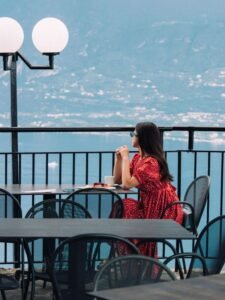
Tight schedules, late arrivals, early departures, and constant transitions create a low-level strain that never fully lifts. You may technically be “on holiday,” yet feel slightly tense, rushed, or unusually tired throughout the trip.
This kind of fatigue is cumulative rather than dramatic. It shows up as irritability, reduced enjoyment, or the sense that you need a break from travelling itself.
Slower pacing does not mean doing less. It means spacing experiences so they can be absorbed rather than endured.
Pacing Is a Design Choice, Not a Limitation
Good pacing rarely happens by accident. It is something you design into a trip from the start.
That might mean staying an extra night to reduce constant packing and unpacking, planning arrivals earlier in the day, or leaving deliberate space in the itinerary rather than filling every day. Familiarity — even briefly — lowers cognitive load and restores a sense of ease.
Whether you are travelling for days or weeks, pacing allows your nervous system to settle enough for travel to feel enjoyable rather than effortful.
Comfort Is About Fit, Not Luxury
Comfort in travel is often confused with luxury. In practice, comfort is highly personal.
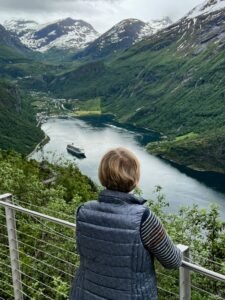
Sleep quality, noise levels, temperature control, walkability, and ease of movement tend to matter far more than design features or star ratings. An accommodation that looks impressive but disrupts your rest will cost you energy you cannot easily replace.
For solo women travelling later in life, comfort is about choosing environments that support you rather than challenge you unnecessarily. When comfort involves spending more, that decision belongs in Money & Value. Here, the focus is recognising when discomfort starts to undermine the entire travel experience.
When Fatigue Starts to Change How Travel Feels
Fatigue has a way of distorting perception.
When you are overtired, unfamiliar situations feel heavier, decisions feel riskier, and minor inconveniences feel amplified. This can easily be mistaken for anxiety, loss of confidence, or doubts about travelling solo.
In many cases, the issue is not safety or mindset. It is simple overextension.
Learning to slow down when tired, rather than pushing through, is a form of self-trust. When exhaustion begins to affect how you feel about travel itself, the internal side of that experience is explored more fully in Solo Travel Mindset.
Travel That Respects Your Energy Is Travel That Lasts
Comfort and pacing are part of a wider set of decisions that shape how solo travel feels later in life, which are explored more broadly in Travel Planning.
The aim of solo travel later in life is not intensity. It is continuity.
Travel that is well paced does not require recovery before it can be enjoyed again. It leaves room for curiosity without pressure, independence without strain, and movement without constant adjustment.
Whether you travel occasionally or often, briefly or for longer periods, comfort and pacing determine whether travel remains something you look forward to — or something you need time off from.
Designing travel around your energy is not a compromise. It is how solo travel stays enjoyable, sustainable, and entirely your own.
Travel Comfort & Pacing Posts
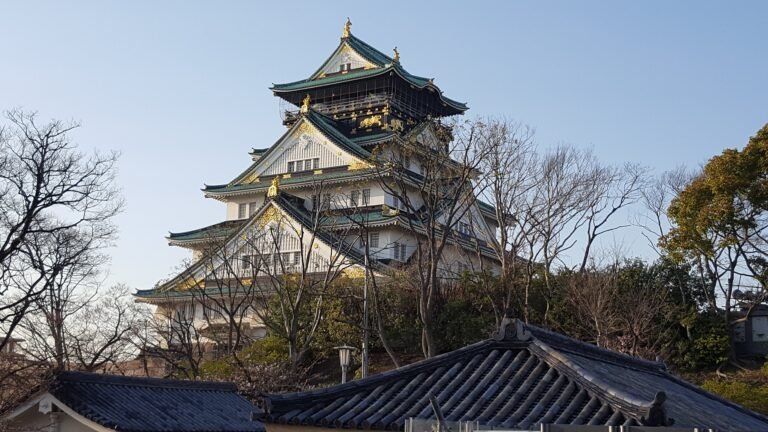
Osaka Is Welcoming — Even If It’s Not a City I’d Return to
Osaka is often described as Japan’s most approachable city. It’s presented as informal, energetic, and easy to like — a…
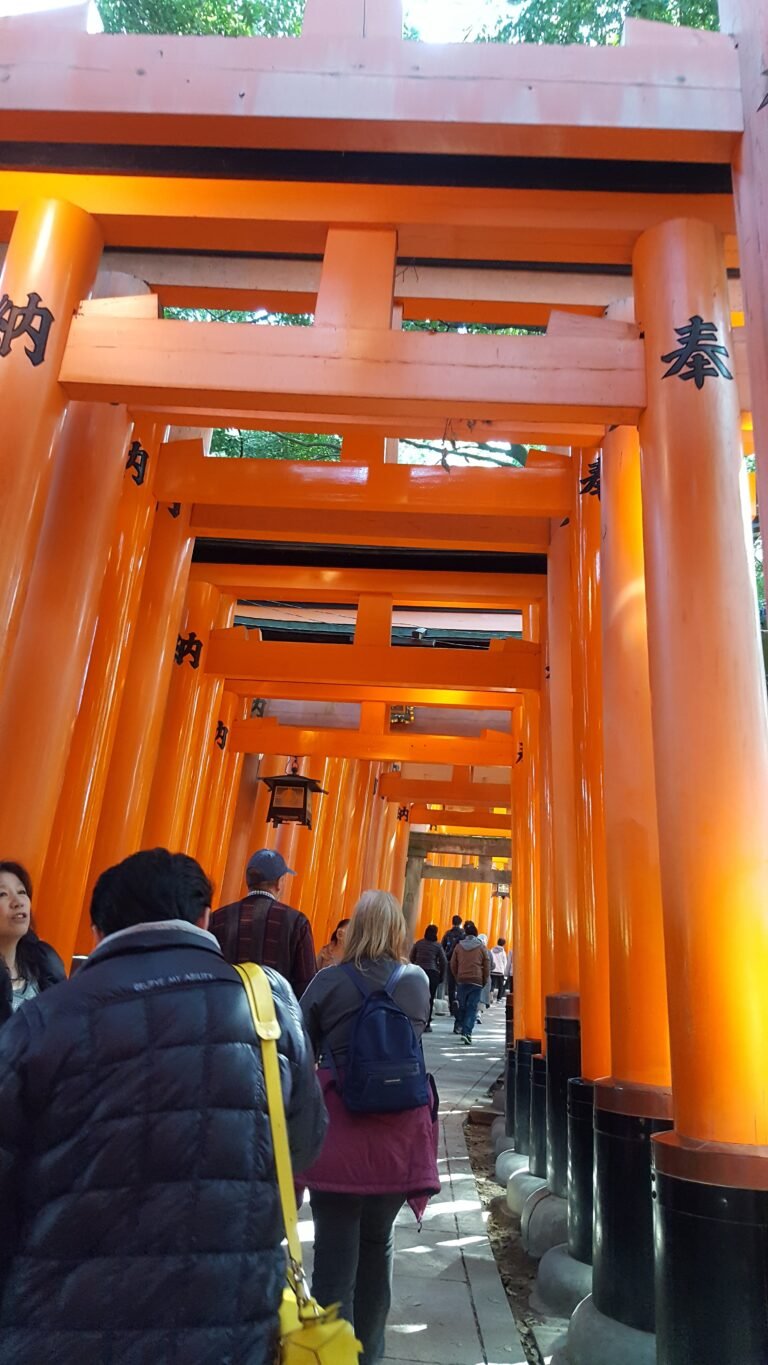
Kyoto Is Revered — but It Operates on Stricter Terms
Kyoto carries a particular weight in the imagination. It is presented as the cultural heart of Japan, the place where…
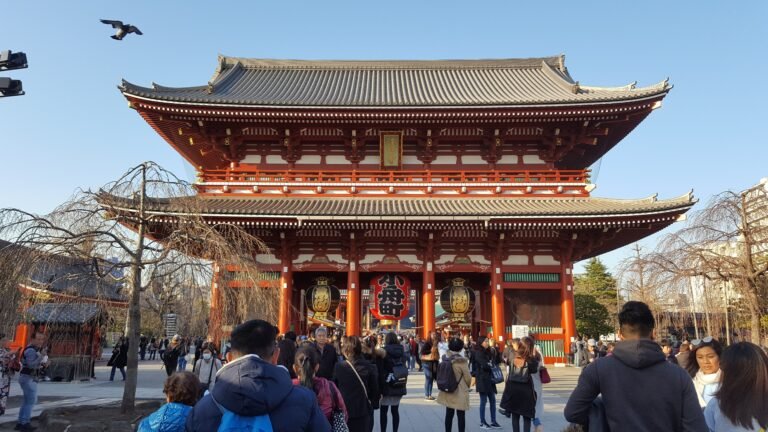
Tokyo Is Often Misread — Especially by First-Time Travellers
Tokyo tends to provoke strong reactions. People describe it as overwhelming, exhausting, emotionally distant, or simply “too much,” often followed…
Thoughtful Updates for Women Travelling Asia Solo
Occasional, thoughtful updates on travelling Asia solo later in life — planning realities, safety considerations, comfort trade-offs, and destinations worth your time. No spam. Unsubscribe at any time.