
Kuala Lumpur is a straightforward city to be in once you are inside it, but that simplicity isn’t always obvious at the beginning. In many ways, it feels similar to other capital cities across South East Asia. There is traffic, the heat builds quickly through the day, walking is not always practical, and the transport system doesn’t fully carry you. From a sightseeing perspective, it doesn’t compete with cities like Bangkok or Hanoi, where the experience feels more concentrated and immediately visible.
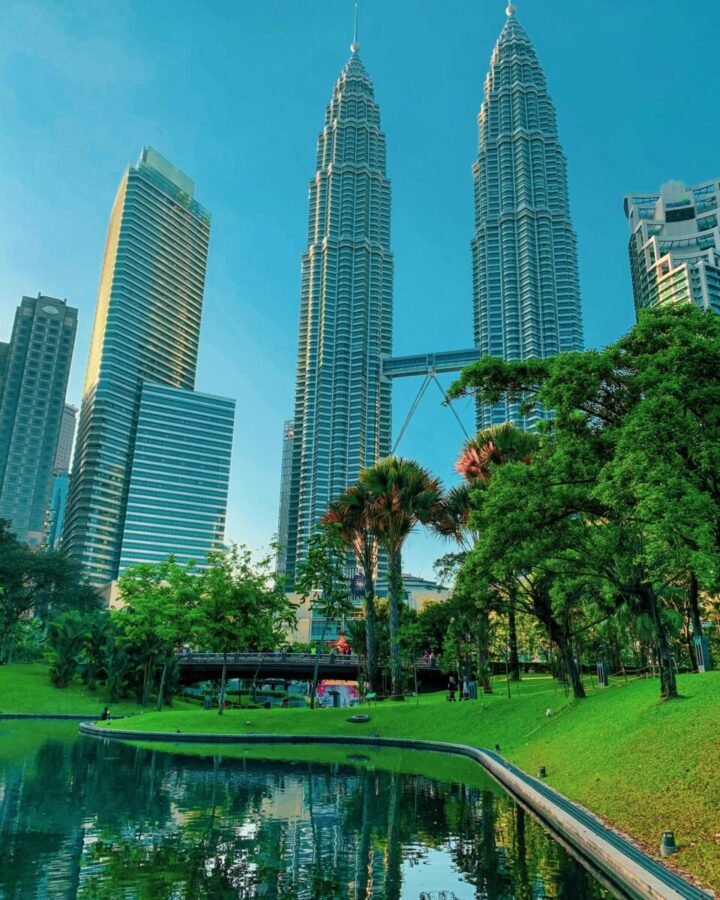
But Kuala Lumpur doesn’t rely on that kind of intensity. The difference, especially for Western visitors, becomes clear in the small things rather than the obvious ones. English is widely spoken, and spoken well. Conversations don’t need to be simplified. Instructions don’t need to be interpreted.
There is no constant second layer of effort sitting behind everyday tasks. That alone changes how the day unfolds, because it removes the hesitation that often sits behind even simple interactions in other cities.
The city doesn’t overwhelm you with things to see. It doesn’t present a single defining experience that pulls everything together. Instead, it gives you something quieter — a place where daily life is easy to run once you settle into it.
I grew up in Kuala Lumpur and spent thirty years living and working there. What stands out to me now is not what the city shows, but how it behaves when you start using it. It doesn’t try to impress you. But it doesn’t get in your way either. And over time, that becomes more valuable than it first appears.
This broader pattern becomes clearer when you look at how Malaysia actually works as a place to travel, because the logic that shapes the country sits behind what you experience in Kuala Lumpur.
What Kuala Lumpur Does Well
English Makes Daily Life Easy
English is widely used across Kuala Lumpur, and not just at a basic level. There is no need to adjust how you speak or simplify what you’re trying to say. Conversations happen naturally, whether you are ordering food, asking for directions, or dealing with something more complex like transport or accommodation.
That removes a layer of effort that often goes unnoticed until it isn’t there. In other cities, small interactions can require more attention — choosing the right words, repeating yourself, checking that you’ve been understood. In Kuala Lumpur, that layer is mostly absent. Things are said once and understood.
Over the course of a day, that consistency matters. It keeps everything moving without interruption.
Food Is Strong and Easy to Access
Food is what gives Kuala Lumpur its depth. It is not a side activity or something you fit between other plans. It sits at the centre of how the city is experienced, and it is one of the few areas where Kuala Lumpur operates at a consistently high level.
This comes from how Malay, Chinese, and Indian communities developed alongside each other, with long-standing overlaps such as Peranakan and Mamak culture shaping how people eat today. It is not one cuisine. It is a working mix of several, all visible in everyday life.
Malay food shows up in dishes like nasi lemak, nasi campur, and satay.
Chinese food includes char kway teow, Hainanese chicken rice, wonton mee, and roast meats.
Indian and Mamak food sit alongside this, with roti canai, nasi kandar, mee goreng, and teh tarik forming a major part of daily eating patterns.
Peranakan food adds another layer — laksa, ayam pongteh — reflecting a blending of Chinese and Malay cooking developed over generations. Mamak culture, in particular, is not a side category. It is central to how people eat — casual, social, and available at all hours.
What matters is not just the range, but the depth and consistency across the city. This is not limited to street food or hawker stalls. Food courts and kopitiams are part of the system, but so are proper restaurants, mall dining, hotel restaurants, and long-established local institutions.
Jalan Alor in Bukit Bintang is one of the most well-known food streets, particularly at night. Petaling Street in Chinatown combines food with market activity. Brickfields (Little India) has strong Indian and Mamak options. Kampung Baru offers a more traditional Malay food setting close to the city centre.
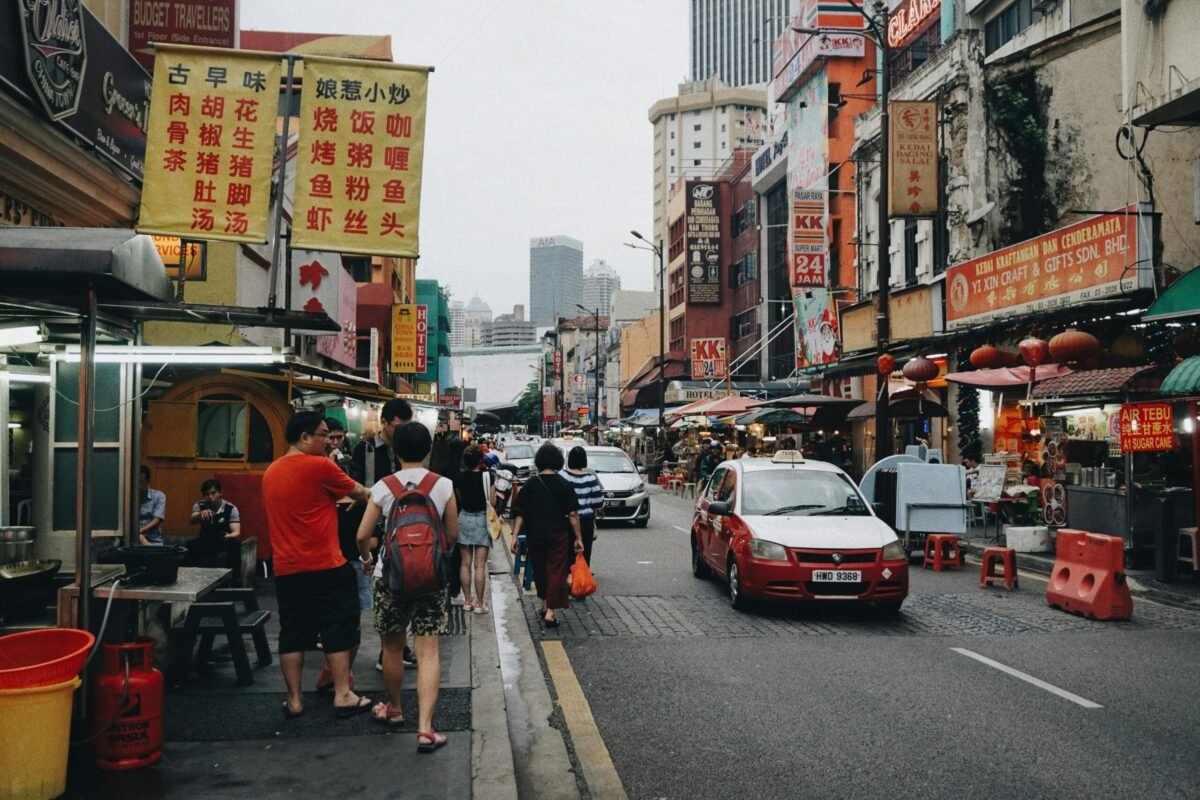
Malaysia’s food culture sits at the top tier in Southeast Asia. The only real comparison is Singapore — and that comes from shared history rather than a different system.
Healthcare Is High Quality and Easy to Access
Kuala Lumpur has quietly become a place people travel to for medical care. Hospitals are modern, well-equipped, and used to dealing with international patients. But what makes the biggest difference is not the facilities themselves — it is the communication.
Doctors and medical staff speak excellent English. Explanations are clear. Instructions are easy to follow. There is no uncertainty about what is happening or what needs to be done.
For Western visitors, this removes a level of stress that would otherwise sit behind any medical situation. It’s not something most people plan their trip around. But it changes how safe and manageable the city feels, especially for longer stays.
There Is Enough Variety Without Needing a Tight Plan
Kuala Lumpur does not need to be tightly structured to work. There is enough variety across food areas, shopping districts, cafés, and cultural spaces to fill your time without needing to plan everything in advance.
But unlike cities where activities are spread out in a way that forces you to move constantly, Kuala Lumpur allows you to stay within a smaller area and still have enough to do. That changes the rhythm of the day.
You don’t need to optimise your movements or build a schedule that holds everything together. You can let the day develop as you go, without feeling like you’re missing something important.
Hotels Are Easy to Find and Well Priced
Accommodation in Kuala Lumpur is straightforward. There is a wide range of hotels across different price points, and it’s generally easy to find something that is comfortable and well located.
That flexibility matters more than it first appears. A good hotel in the right area reduces the need to think about how you move. It gives you a stable base where food, transport, and basic needs are already within reach.
And once that is in place, the rest of the day becomes easier to manage. This is the same logic behind why I sold my house and live in hotels instead of keeping a fixed address back home — a well-run hotel absorbs far more of the daily logistics than a private home ever did, and Kuala Lumpur has enough of them, at the right price, to make that principle hold up here as well.
What You Need to Be Aware Of
Kuala Lumpur International Airport (KLIA) Is Far From the City
Kuala Lumpur does not begin at the airport. KLIA sits well outside the city, and the journey into Kuala Lumpur takes time, money, and a bit of patience. After a flight, there is still a proper transition before you reach your hotel. That distance affects how the trip starts. It slows the arrival down. It creates a gap between landing and settling in.
This is exactly the gap I mean when I say Why Your Arrival Time Matters More Than Flight Length — a short flight can still produce a long, tiring arrival, and the KLIA transfer is a clear example of it. And it means the city has to justify that effort once you are inside it. It’s not difficult but it is noticeable.
Public Transport Exists but Requires Effort
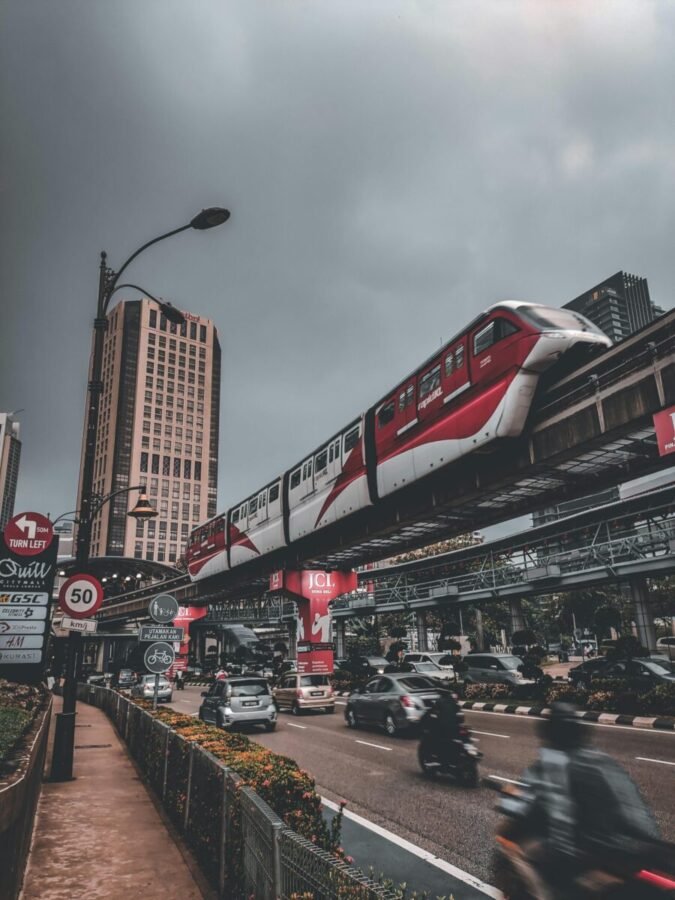
Kuala Lumpur has MRT, LRT, monorail, and buses. But using them is not always straightforward. Routes are not always direct. Stations are not always close to where you need to go.
Buses exist, but they require familiarity with the system, and they are not always the easiest option for short-term visitors.
So while public transport is available, it doesn’t remove the need to think. Each journey still requires a decision — which route, which transfer, whether it’s worth it.
Using public transport often means working things out in advance, allowing extra time, and staying flexible — which is why I prioritise keeping movement simple, especially in the first few days, as I explained in The First 24 Hours of Solo Travel Are Where Most Mistakes Happen.
Walking Is Limited
Kuala Lumpur is not a city that supports long, continuous walking. The heat builds quickly, and sidewalks are not always consistent. What looks manageable on a map can feel very different once you are outside.
Short walks work. But longer distances require more thought. That shapes how you structure the day, whether you realise it or not.
Stay Aware in Busy Areas
Kuala Lumpur is generally easy to be in, but it is still a large city. Busy areas can attract small scams or opportunistic behaviour. Nothing unusual, but enough that awareness matters.
It’s not something that should dominate your thinking. Just something to keep in the background.
How Kuala Lumpur Compares to Penang and Singapore
Compared to Penang: More Options, Similar Effort
Kuala Lumpur and Penang operate in broadly similar ways once you are on the ground.
Kuala Lumpur offers more — more hotels, more shopping, more places to go at night. That added choice creates flexibility, but it doesn’t remove the need to think about how you move through the city.
The same pattern shows up in Penang. As I explained in Penang Harder Than Expected – What People Don’t See, a smaller area doesn’t automatically make movement easier.
Both cities require coordination. Getting from one place to another usually involves a decision — whether to book a car, how long it might take, and whether the trip is worth the time. Grab becomes the default in both places, and walking only works in limited areas rather than across the whole city.
The difference is not simplicity, but scale. Kuala Lumpur spreads things out and gives you more ways to structure the day. Penang feels more contained, but still demands effort each time you move between areas.
Compared to Singapore: Less Structured, More Affordable
Singapore operates at a different level of organisation. Movement is easier. Public transport is more reliable. Walking is more consistent. The city is designed to reduce effort wherever possible.
Kuala Lumpur does not function like that.There are still decisions to make, and movement still requires input. But the trade-off is cost.
Kuala Lumpur is significantly more affordable, and that changes how you use the city. You can move more freely, stay longer, and absorb small inefficiencies without it becoming a problem.
This balance becomes clearer when you compare it directly to Why Singapore Is Still Worth It Despite the Cost, where that level of structure is built into everything — and paid for at every step.
Why You Should Go Beyond Kuala Lumpur
Kuala Lumpur should not be the entire trip. Malaysia offers much more beyond the capital — islands, beaches, nature, and smaller cities that provide a different experience.
Kuala Lumpur works best as part of a wider plan. It gives you a base, a point of entry, and a way to move into the rest of the country. But it is not the whole story.
What I Would Do Differently in Kuala Lumpur
Kuala Lumpur doesn’t create problems in obvious ways. You can arrive, settle in, and move around without anything feeling particularly difficult.
What changes the experience is how much effort builds quietly across the day. Time gets absorbed in moving between places. Short plans stretch longer than expected. The day starts to break into separate parts rather than holding together.
When the structure is right, that effort drops away. The same city feels manageable, contained, and far easier to move through. The difference comes down to a few decisions that shape how the day unfolds.
Location Determines How Much Effort the Day Requires
Where you stay has a direct impact on how often you need to move.
Areas like Bukit Bintang and KLCC bring food, shopping, and transport into a tighter radius. Stepping out doesn’t immediately turn into a logistics decision. Options are already there, within reach, and the day can continue without needing to be rebuilt each time.
In other parts of the city, that changes quickly.
Getting to anything requires a car or a train, and even short outings begin with deciding how to get there and how long it might take. Movement becomes something you organise repeatedly, not something that sits in the background.
A well-located hotel doesn’t just make things convenient. It reduces how often the day gets interrupted by having to work things out. This is exactly the principle behind Why Changing Accommodation Too Often Is More Exhausting Than Long Travel Days — the cost isn’t the distance you cover each day, it’s how many times you force yourself to start over.
Distance Isn’t the Problem — How the City Is Spread Out Is
Kuala Lumpur doesn’t feel small, and it doesn’t present itself that way.
What becomes clear once you start moving around is how spread out everything is. KLCC, Bukit Bintang, Chinatown, and Bangsar sit in different parts of the city rather than forming one continuous, walkable area.
Moving between them is straightforward, but not seamless. Each shift requires a decision — how to get there, how long it will take in traffic, and whether it’s worth the time for what you want to do. Even when places look close on a map, the actual journey often involves more time and effort than expected.
What shapes the day is not distance itself, but how often you need to reposition. Trying to cover multiple areas in one day turns into repeated transitions. Time gets absorbed in getting from one place to another, and the day starts to fragment.
Keeping to one or two areas changes that. The city begins to feel more contained, not because it is smaller, but because movement stops interrupting everything else.
Grab Is the Main Way the City Works
Public transport exists, but it doesn’t remove the need to think.
Train lines connect parts of the city, but they don’t cover everything cleanly. Using them often involves switching lines, walking between stations, or filling gaps where the network doesn’t reach. It helps, but it doesn’t carry the whole journey.
Most movement ends up relying on Grab. Cars are frequent, easy to arrange, and relatively affordable. More importantly, they simplify the process. The trip becomes direct — from where you are to where you want to be — without needing to work out routes or manage transfers.
That simplicity matters over the course of a day. It reduces the number of decisions you need to make and keeps movement from becoming something you have to actively manage.
The Day Only Holds Together If You Leave Space for It
Kuala Lumpur is shaped by heat, distance, and the way the city is laid out.
Trying to fit too much into a fixed schedule tends to work against that. Movement takes longer than expected, energy drops faster in the heat, and small delays begin to compound.
The day starts to feel compressed. Leaving space changes that.
Plans can adjust based on how the day is actually unfolding. Time lost in transit doesn’t derail everything that follows. The day has room to absorb delays instead of being disrupted by them.
This is where the way the trip is structured matters more than the number of places you try to see. I’ve covered this more in the Travel Planning section, where decisions are made upfront to reduce how much needs to be managed on the ground.
Why Kuala Lumpur Works Better Than You Expect
Kuala Lumpur is not a city that stands out for one defining reason.
It doesn’t have a single moment that anchors the experience. There isn’t a landmark, a neighbourhood, or a cultural thread that immediately tells you how to understand it. And because of that, it can feel underwhelming at first, especially if you are coming from cities where the appeal is obvious from the moment you arrive.
But Kuala Lumpur is not built around that kind of visibility.
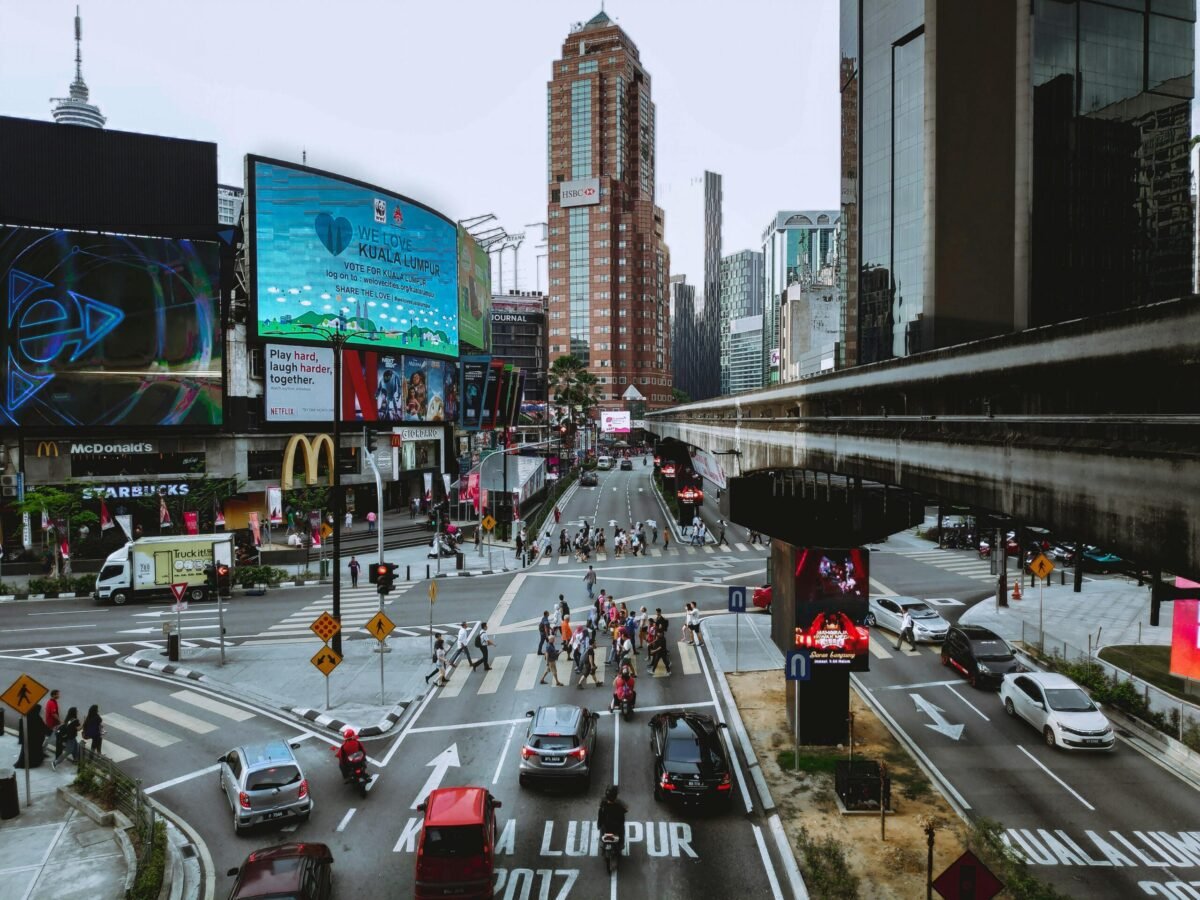
It works because the basics are reliable, and they hold together consistently once you start moving through the city. English is widely spoken, so nothing needs to be negotiated twice. Food is not just good, but repeatable across the day without effort. Hotels are easy to find in locations that make sense. Healthcare is accessible in a way that removes uncertainty. Movement is not seamless, but it is manageable enough that the day does not fall apart.
Individually, none of these feel exceptional. But together, they form something that is stable.
That stability is what shifts the experience over time. The city does not need to be figured out in detail. It does not demand constant adjustment. Once you understand how to move within it — where to stay, how to get around, how to structure the day — the friction settles into the background.
At the same time, the limitations remain.
The heat builds quickly and affects how much you want to do. Walking is limited, which means every movement needs to be considered. The distance from KLIA adds weight to the arrival and departure. These are not small factors, and they don’t disappear.
But they don’t compound. They stay contained, and that is what makes the difference. The city does not add new problems as the day goes on. It presents a fixed set of conditions, and once you adjust to them, the experience becomes predictable.
And predictability, in this context, is what makes the city usable.
Kuala Lumpur doesn’t try to impress you, and it doesn’t need to.
It supports you just enough to keep things moving, without demanding attention or effort beyond what is necessary. And over time, that becomes its strength.
Because while other cities rely on standout moments to carry the experience, Kuala Lumpur holds together through consistency. The day works. The next day works in the same way. And that continuity, while quiet, is what makes the city easier to stay in than you expect.
Travel Logistics Planner
A simple framework for thinking through the logistical side of travel — flights, entry requirements, accommodation and transfers — before the journey begins.
Delivered instantly. Occasional thoughtful updates from the road.