
I’m Malaysian-Australian, and when I picked Vietnam as the first country of my long-term solo travel life, I assumed the culture would come easily. It didn’t. Vietnam turned out to be an acquired taste, and it took three trips over two years, two to three months at a time, before I understood why. That first trip is where this whole solo travel life started, long before I had a name for what I was doing — the full story of how it began is in Solo travel in retirement: I left Australia for good.
On This Page
- What Took Getting Used To
- Vietnam’s Airports
- What Keeps Me Coming Back
- Three Regions, Not One Itinerary
- The North
- The Central Coast
- The South
- How I Move Between Bases
- My Vietnam Logistics Blueprint
- A Three-Week Itinerary
- Choose the Region, Not the Circuit
What Took Getting Used To
Some of what took getting used to has never really gone away. Hanoi’s pollution is real, not a passing inconvenience. Road rules exist on paper and nowhere else, and pavements are routinely choked with plastic stools, motorbikes, and street food stalls, which makes proper walking close to impossible in most cities. Crossing the road here is a genuine health hazard, and I don’t recommend attempting it the way the guidebooks casually suggest — a Grab from the hotel door to wherever you’re going is worth every dong it costs. And the transfers between cities are convoluted in a way that isn’t obvious. It takes real time and research to understand how to actually get from one city to the next.
Vietnam’s Airports
Before any of that friction begins, there’s the e-visa itself. I apply through Vietnam’s official e-visa portal, single entry, and I give it a full month rather than leaving it until closer to departure. The process is convoluted enough that last-minute applications are a genuine risk, not just an inconvenience, and my trips never run long enough to need anything beyond single entry.
This deserves its own mention rather than being buried inside one city’s story. Every airport in the country runs on the same basic friction. Shoes come off, laptops come out, and the queues for check-in, security, and immigration are long in major Vietnamese cities. I’ve learned to treat that as a fact of the country rather than a problem specific to one place, and to plan around it rather than hope any particular airport will be the exception.
My approach is the same regardless of which airport I’m landing in. I always buy immigration fast-track in advance, where it is available, through Klook or GetYourGuide, and I always pre-book a private car transfer the same way, or through Booking.com — though at Ho Chi Minh City specifically, the recent changes to the pickup point mean that even a pre-booked transfer doesn’t guarantee a friction-free arrival anymore. I never change money at the airport. And once I’ve landed, the plan is simple: clear immigration, collect the luggage, and leave as quickly as the process allows, rather than lingering in any terminal longer than necessary.
Departures are their own problem, particularly out of Ho Chi Minh City and Hanoi, where the lines can be just as long on the way out as they were coming in. If the budget allows it, flying premium economy or business class on those legs gets you into the priority lanes and past most of that queue entirely — one of the few places where paying for the seat is really paying for the airport experience around it.
What Keeps Me Coming Back
Other things have won me over completely. The Accor and IHG hotels here offer a level of quality, service and value I haven’t found anywhere else in Asia, which matters enormously to how I actually live now — I’ve written about why that model works financially in Why I sold my house and live in hotels instead.
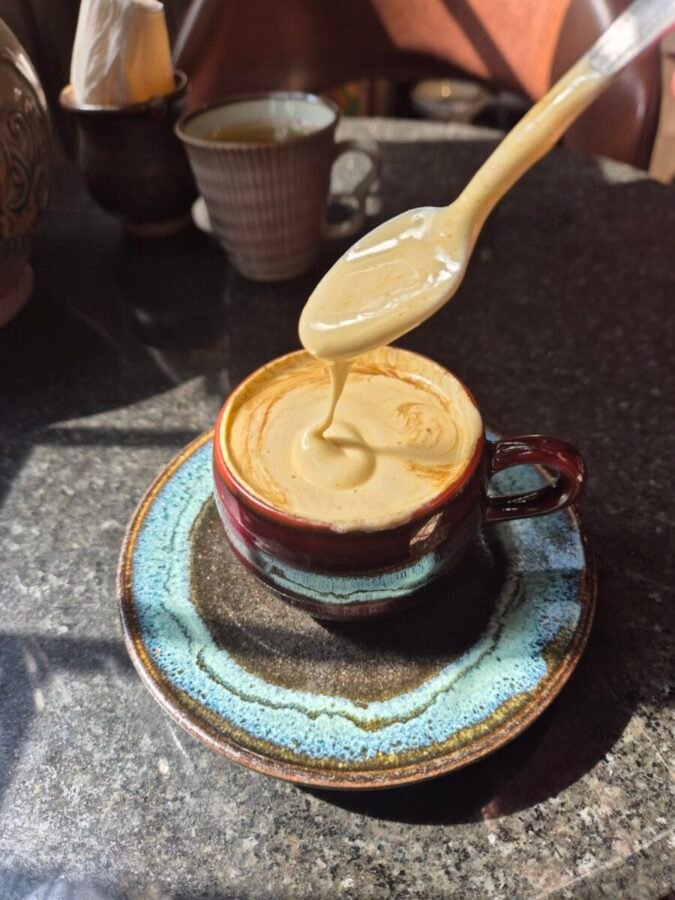
Hanoi’s and Hoi An’s old towns have a quirkiness that grows on you the longer you’re there. The food suits my palate better than almost anywhere else I’ve travelled. And the coffee — I’ll say it outright — beats what I left behind in Melbourne. Vietnam does coffee variety I never got at home: egg coffee, salted coffee, coconut coffee, and all of it strong, which is exactly how I like mine. Now that I no longer live in Melbourne, Vietnam is the only place giving me my quality coffee fix.
Three Regions, Not One Itinerary
The usual advice treats Vietnam as a single trip: fly in one end, work your way through the whole country, fly out the other end, ticking off the regions like stops on a checklist. That isn’t how I travel Vietnam anymore.
Understanding how different the north, the centre, and the south actually are isn’t a reason to cram all three into one trip. It’s a reason to choose one region for a given visit and give it the time it deserves. Spreading yourself across all three in one go usually means shortchanging every one of them.
That said, I know not everyone gets three separate trips to work with. If this is your one shot at Vietnam, I’ve put together a single three-week itinerary that touches all three regions — weighted heavily toward the north and centre, with the south kept deliberately short. You’ll find it here.
The North
Weather
The north runs on four real seasons, which surprises people who picture Vietnam as permanently hot. The cooler, drier stretch runs roughly November through April, genuinely cold in the mountains and cool and often grey in Hanoi, with the kind of fine, persistent drizzle locals call crachin. May through October swings the other way — hot, humid, and prone to heavy rain. Spring, in March and April, and autumn, from late September into November, are the mildest windows.
- December – Feb: Cool and dry
- March – April: Mild
- May – September: Hot, humid, heavy rain
- October – November: Mild
Landscape and Food
The north is home to the limestone karsts of Ha Long Bay, the Red River Delta spreading out flat and green around Hanoi, and further into the hills, the cooler retreat of Tam Dao. It’s also where pho was born, alongside bun cha — grilled pork patties and slices of belly, served in a bowl of sweet-sour fish sauce broth with rice vermicelli and a plate of herbs on the side. It’s a Hanoi specialty through and through, and one of the dishes that made the city famous well beyond Vietnam. Northern cooking generally favours clear, delicate broths, leans on black pepper rather than chilli, and uses noticeably less sugar than food further south.
Pace and Culture
Hanoi
In Hanoi, I’ve based myself at the Novotel Hanoi and the Grand Mercure Hanoi, and it’s the city I’ve written about in full in Hanoi — why I keep going back, even though it’s full on. What keeps pulling me back culturally is layered in a way Ho Chi Minh City has never managed for me — the Temple of Literature, Vietnam’s first university, founded in 1070; the Ho Chi Minh Mausoleum at Ba Dinh Square; the Old Quarter and the French Quarter sitting almost on top of each other; and quirky cafes tucked into narrow laneways that remind me so much of Melbourne.
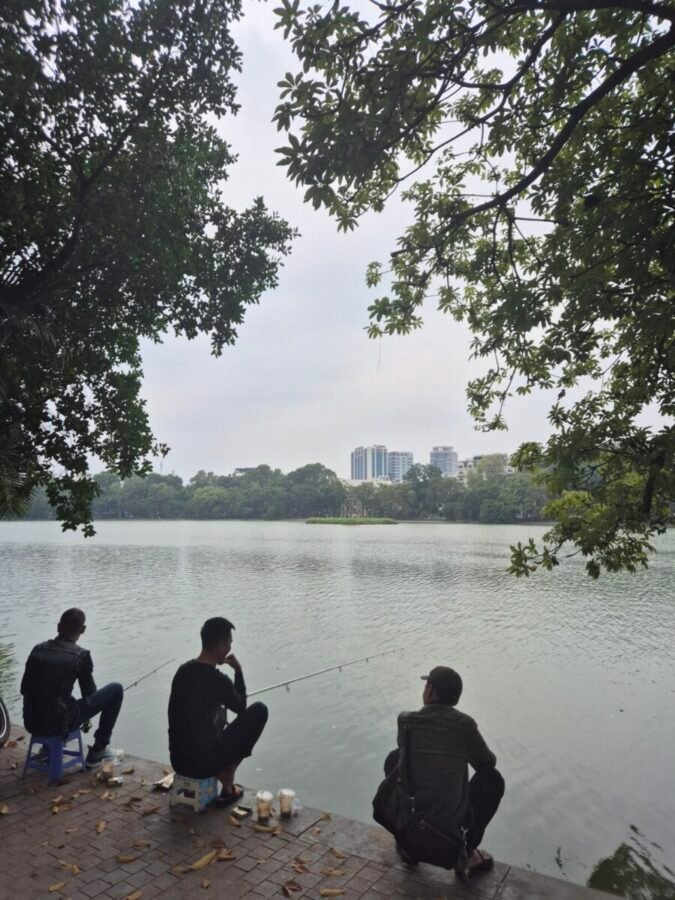
Hoan Kiem Lake, right in the middle of it all, is where the city actually slows down. Hanoi is also actively phasing out petrol motorbikes in favour of electric ones. I’m genuinely looking forward to experiencing the city without the pollution that’s always been the hardest part of being there.
Ha Long Bay and Hai Phong
Ha Long Bay draws the crowds, but I’ve found a quieter way into the same limestone scenery through Hai Phong instead. Hai Phong sits close to Lan Ha Bay, part of the same UNESCO World Heritage archipelago as Ha Long Bay, with the same karst formations, far fewer boats, and beaches that Ha Long Bay simply doesn’t have. I base myself at the Pullman Hai Phong and take the ferry across from there rather than joining the crowds at Ha Long City itself.
Hai Phong itself is worth knowing as more than just my base. It’s Vietnam’s third-largest city by population, though it doesn’t feel like it on the ground, and its own airport is refreshingly quiet compared with anywhere else I’ve flown into in this country. The flight routing is a genuine quirk: Da Nang airport connects to Hai Phong airport directly and easily, but Hanoi doesn’t, which means a land transfer is needed whenever I’m moving between the two. Hai Phong sits about an hour from Ha Long Bay itself via the expressway, so if Ha Long Bay in its more famous form is still on your list, getting there by land from here is genuinely easy.
Vinh Yen
Vinh Yen itself doesn’t offer much beyond the Crowne Plaza Vinh Yen — the hotel is the reason I stay there, not the town. The one exception nearby is Tam Dao, a cool hillside retreat up in the hills that breaks up the flat, industrial landscape around it.
The Central Coast
Weather
Central Vietnam runs on its own calendar, and it lines up with neither end of the country. The dry season runs roughly February through August, though February to April is the easiest stretch within it. The wet season runs roughly October through January, and this is the one part of the country where the rain isn’t just inconvenient — the highest risk of typhoons and flooding falls in October and November, and flooding in Hoi An’s old town during that window is well documented.
- February – August: Dry season
- October – January: Wet season (Oct & Nov – typhoons and flooding)
Landscape and Food
This whole central stretch is anchored by Da Nang, and it deserves its own mention beyond being my base. My Khe Beach, right in the city, was named one of the six most attractive beaches on the planet by Forbes, and it’s held up — long, flat, and clean in a way that’s rare this close to a major city.
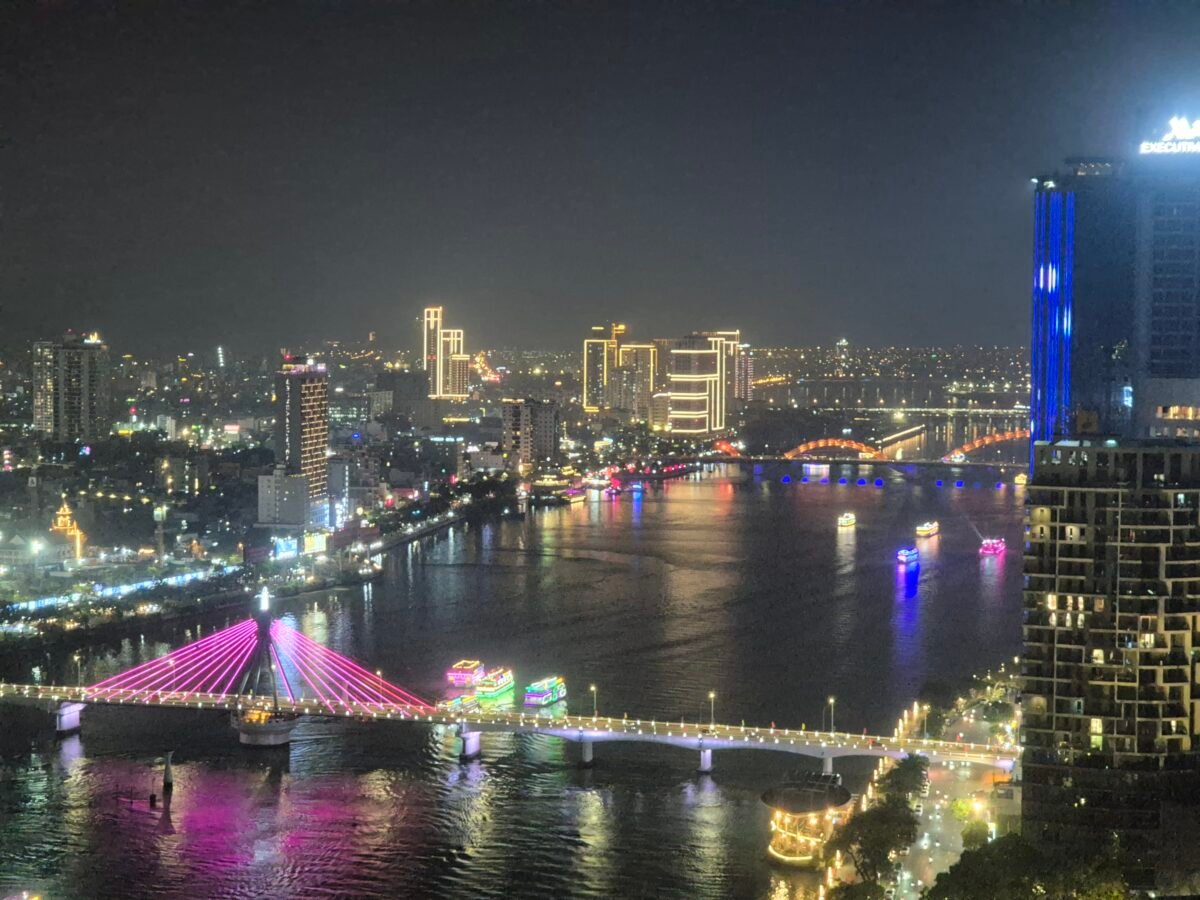
Da Nang’s restaurant scene covers everything from local to international at genuinely reasonable prices, and the laundry services will pick up and deliver back to your hotel, which matters more than it sounds once you’re living somewhere for a month or two rather than passing through. The Dragon Bridge breathes fire and then water every Friday, Saturday, and Sunday night, and the city hosts an international fireworks festival most years that turns the whole riverfront into an event.
Hue was the imperial capital for close to a century and a half, and it still carries the Citadel and royal tombs to prove it. Hoi An was a major trading port for centuries, and its old town still shows the Chinese, Japanese, and French influence that passed through.
The food across this whole stretch runs bolder and spicier than in the north, in smaller, more intricate dishes — Bun Bo Hue, Cao Lau, and Mi Quang, a turmeric noodle dish from around Da Nang and Hoi An served with just enough broth to coat the noodles rather than drown them. All three are probably my favourite dishes anywhere in the country, which might just be my Malaysian tastebuds looking for the same intensity I grew up with.
Pace and Culture
Da Nang and Hoi An
Da Nang has become my long-term base on this coast, largely because its airport is straightforward to fly into and out of, with less of the chaos I’ve come to expect from Hanoi or Ho Chi Minh City. But I would still buy the Immigration Fast Track for Da Nang airport. It’s also the only major airport in the country where I’m comfortable ordering a Grab straight from arrivals to the hotel rather than pre-booking a transfer — it’s calm enough, and close enough to the city, that the usual precautions don’t feel necessary.
I stay one to two months at a time, based at either the Novotel Danang or the Grand Mercure Danang, always with a side trip to Hoi An, which remains my favourite city anywhere in Vietnam — the full account of why is in Hoi An is the one place in Vietnam that always works.
Hue
Hue is a different kind of side trip: a day out rather than a base, about two hours inland from Da Nang. It was the seat of the Nguyen Dynasty for close to a century and a half, and the Citadel and royal tombs it left behind make it a genuine draw for anyone with an interest in Vietnamese history. I’d go back more often if it were easier to get to and if Accor or IHG had a property there — I genuinely liked the city, more than the day-trip logic suggests, and the absence of a hotel I trust for a longer stay is the only thing keeping it a day trip rather than a base.
Cam Ranh and Nha Trang
Cam Ranh and Nha Trang, further south along this same coast, run on a slightly different pattern again. The mountains behind them create a rain shadow, which gives the area noticeably fewer wet days than Hoi An or Da Nang get, and a dry season that stretches further into the year. The area has its own dedicated airport in Cam Ranh, and its about an hour’s drive to Nha Trang. The beaches there are genuinely beautiful and uncrowded compared with most of the coast. I won’t be going back, though — not because of the place, but because the Accor properties there didn’t meet what I need from a longer-stay base.
The South
Weather
The south keeps it simple: two seasons, not four. Dry season runs December through April, and it’s the more straightforward stretch to travel in. Wet season, May through November, brings short, heavy afternoon downpours rather than the prolonged rain further north — they arrive fast, dump a lot of water, and usually clear within an hour or two.
- December – April: Dry season
- May – November: Wet season
Landscape and Food
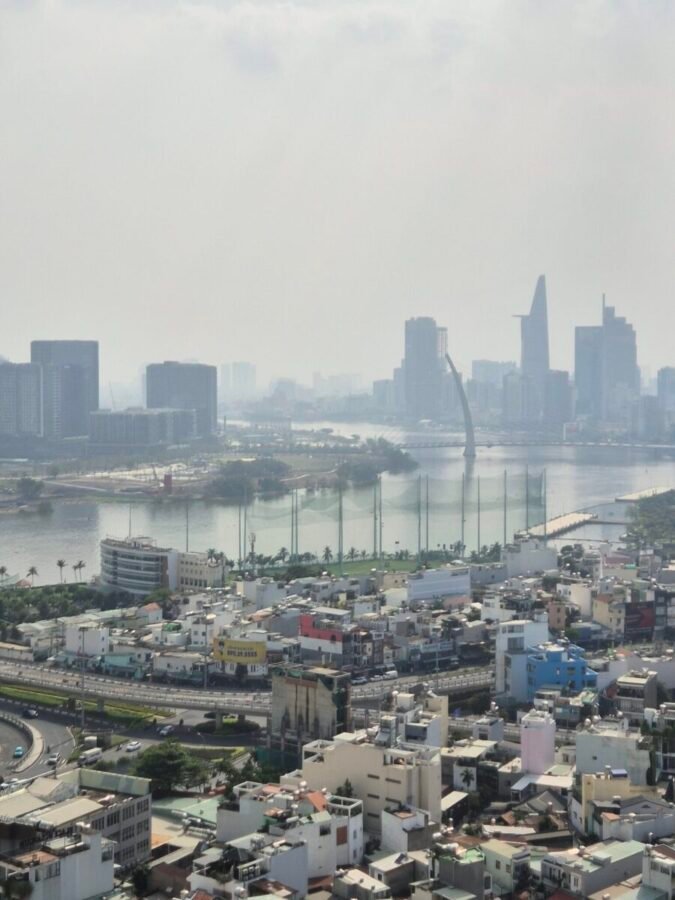
The south is flat, low-lying, and threaded with rivers and canals, especially once you get out into the Mekong Delta. Ho Chi Minh City sits at the commercial centre of it all — the busiest, most developed, most modern part of the country. Southern food is noticeably sweeter than food further north, with more coconut milk, more sugar, and heavier use of fresh herbs and tropical fruit.
My own favourite here is Bun Thit Nuong — grilled pork over rice vermicelli, herbs, and pickled vegetables — though when the craving is more specific, I head into Cho Lon, the Chinatown spanning District 5 and District 6, for wonton noodles and dim sum. That has less to do with Vietnam and more to do with my own Malaysian Chinese heritage finding something familiar.
Pace and Culture
Ho Chi Minh City is the one part of the south I know well, and I’ve written about it at length in Ho Chi Minh City is easy to visit — harder to care about and Ho Chi Minh City for first-time visitors. Culturally, it doesn’t offer the depth the north does for me. I’ve deliberately skipped the war history sites there — that isn’t a form of tourism I want to take part in — and without them, there’s a lot less pulling me back. Tan Son Nhat airport adds its own specific version of the general airport friction on top of that. Between the culture and the airport, there’s very little reason to return.
Vung Tau is a seaside town a couple of hours south of the city, popular with Vietnamese holidaymakers rather than foreign tourists. I stayed at the Pullman Vung Tau and found it a genuinely good base. The problem isn’t Vung Tau. It’s that the only way in is through Ho Chi Minh City and its airport, and until that changes, Vung Tau waits along with the rest of the south.
How I Move Between Bases
None of this works, though, unless you’ve also worked out how to move between the bases within a region, and that’s a different question from the north-versus-centre-versus-south decision above. This is about the shorter hops once you’ve already committed to one part of the country for a few weeks or months, and I’ve settled into a fairly consistent pattern of my own, built more around certainty than cost.
When a city has its own airport, I fly domestic on Vietnam Airlines rather than Vietjet, and I stick with them for the points as much as the service. Vietjet’s fares look cheaper on paper, but the checked baggage limit is only 15 kilograms, and I travel with about 22 kilograms checked plus a 5-kilogram backpack. By the time I’ve paid for the extra weight, the price sits close enough to Vietnam Airlines that the saving isn’t worth the added friction, so I’ve stopped treating it as a real choice.
Where there’s no airport connecting two places I actually need to be — Hanoi to Hai Phong (or Ha Long Bay), Da Nang to Hoi An — I pre-book a private car transfer, usually through Booking.com, rather than work it out on arrival. I’d rather pay more for the certainty and the security than save a little and manage the uncertainty myself, and I pay for it on a forex-fee-free credit card, so I’m still collecting points and never handling cash in the process. For anything genuinely short, like Hanoi to Vinh Yen, none of that ceremony is necessary — I just call a Grab and go.
My Vietnam Logistics Blueprint
Everything above, condensed into one quick-reference table — the rules I actually follow, city to city.
| Situation | What I Do | Why |
| Applying for your e-visa | Apply through Vietnam’s official e-visa portal at least a month in advance, single entry | The process is convoluted enough that last-minute applications are a genuine risk, and trips this length never need multiple entry |
| Arriving at any airport | Book immigration fast-track in advance through Klook or GetYourGuide | Skips the long immigration queues that hit every airport in the country |
| Getting from the airport to the hotel | Pre-book a private car transfer through Booking.com, Klook, or GetYourGuide | Removes the need to negotiate or navigate on arrival, paid on a forex-fee-free card for points, no cash. At HCMC specifically, the relocated pickup point means this no longer guarantees a friction-free arrival |
| Changing money | Never at the airport | Not worth the rate or the friction |
| Once you’ve landed | Clear immigration, collect luggage, leave the terminal as fast as the process allows | No Vietnamese airport rewards lingering |
| Departing from Ho Chi Minh City or Hanoi | Fly premium economy or business class where the budget allows | Gets you into the priority lanes and past the worst of the queues |
| Moving between cities that both have airports | Fly Vietnam Airlines rather than Vietjet | Vietjet’s 15kg baggage limit means the extra-weight fees erase its price advantage against a 22kg case plus a 5kg backpack |
| Moving between cities without a direct flight | Pre-book a private car transfer through Booking.com, Klook, GetYourGuide, or 12Go | Certainty and security matter more than the small saving of working it out on arrival |
| Short local trips within a base | Call a Grab, with a credit card already linked to the app | No ceremony over a genuinely short distance, and no cash changing hands either |
| Crossing the road | Don’t — take a Grab door to door instead | A genuine health hazard, not a rite of passage |
A Three-Week Itinerary
For those who cannot commit to months at a time, this three-week framework is designed not as a breathless checklist, but as a sequence of deliberate, multi-night blocks that preserve your energy and focus on the two regions where the effort genuinely pays off.
If you want a single starting point rather than working all of this out region by region, here’s roughly how I’d lay out three weeks. I’ll say upfront that it includes Ho Chi Minh City, against my own instinct. I wouldn’t choose to send you there, but you’re capable of deciding that for yourself, so I’ve built in the maximum number of nights I think the city actually requires rather than leaving it out of the picture entirely.
| Days | Region | What to Do |
| Days 1–6 | Hanoi | Old Quarter and French Quarter in the mornings; the Temple of Literature and the Ho Chi Minh Mausoleum on separate days rather than crammed together; evenings around Hoan Kiem Lake. Book immigration fast-track and a private transfer before you land. |
| Days 7–9 | Hai Phong / Ha Long Bay | Base near Hai Phong and use it as the quieter gateway to Lan Ha Bay. Ha Long Bay itself, in its more famous form, is about an hour away by road if you still want to see it. |
| Day 10 | Travel | Fly from Hai Phong or Hanoi to Da Nang. |
| Days 10–15 | Da Nang | My Khe Beach, the Dragon Bridge fire-and-water show (Friday to Sunday nights), the international fireworks festival if the dates line up, and a full day trip to Hue for the Citadel and royal tombs. |
| Days 16–18 | Hoi An | At least three nights actually staying rather than day-tripping — early mornings before the tour groups arrive, and the old town again after dark. |
| Day 19 | Travel | Land transfer back to Da Nang Airport and fly to Ho Chi Minh City — or, if you’d rather skip the south entirely, add these last three nights to Hanoi, Da Nang, or Hoi An instead. |
| Days 19–21 | Ho Chi Minh City (optional) | The maximum I’d give it: three nights, four days. This is here so you can form your own view of the city, not because I’d choose it myself. |
If Ho Chi Minh City interests you enough to push further south from there — the Mekong Delta, Phu Quoc — you’ll need days beyond this three-week frame to do it properly. I haven’t built those in here, and I wouldn’t take them from the north or the centre to make room. If, on the other hand, you’d rather skip the south altogether, take those last three nights and add them to Hanoi, Da Nang, or Hoi An instead. There’s more than enough there to absorb them, and it’s where this itinerary wants to spend its time regardless.
Choose the Region, Not the Circuit
Vietnam was the place where this whole long-term solo travel life started, back when I still assumed my Malaysian background would make the culture easy to read, and it took three separate trips, spread across two years, to understand why it never quite worked that way. The pollution, the pavements, the sheer effort of getting from one place to the next — none of that has softened, and I’ve stopped waiting for it to.
What changed instead is what I was measuring it against. Once I stopped expecting Vietnam to be easy and started paying attention to what it was actually offering — the hotel value, the coffee, the depth in Hanoi’s old streets, the ease of a month in Da Nang with Hoi An a short trip away — the balance tipped, and it’s stayed tipped ever since.
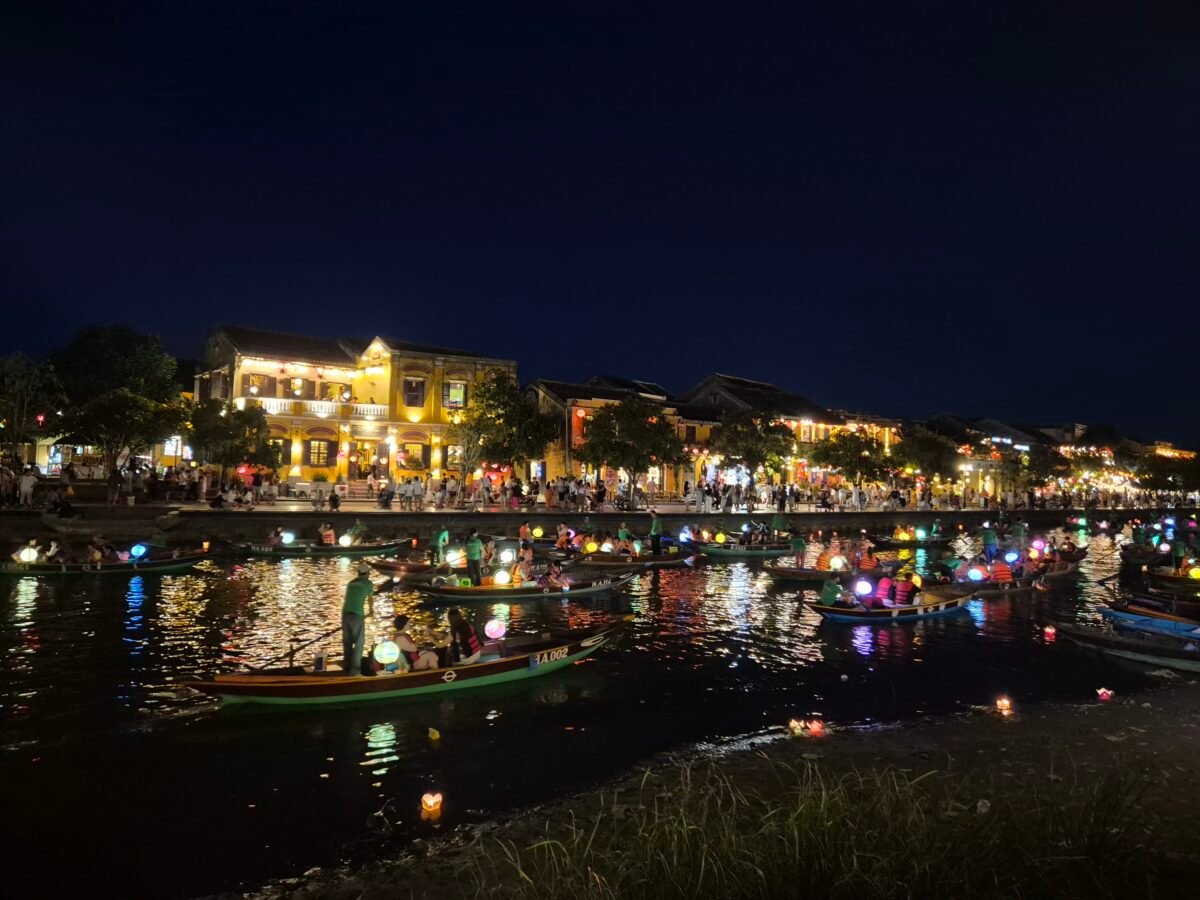
North and Central Vietnam are my favourite regions in the country, and I don’t expect that to change, even if Ho Chi Minh City rebuilds its airport into something painless tomorrow. That isn’t a judgment on the south so much as an honest account of where the effort has actually paid off for me, trip after trip.
I’ve also spent enough of these trips refining the logistics that Vietnam now runs about as frictionless as I can make it — fast-track booked before I land, a transfer already waiting, and hotel bases in Hanoi and Da Nang where the staff know my name. I’m planning on spending more time here as this life in Asia continues, and most of it will be spent exactly where it always has been — in the two regions that have earned it, at the pace that let them earn it in the first place.