
I have travelled continuously for the last two years and lived in hotels full time, across 8 countries in Southeast and East Asia and 70 hotels. The hotels I go back to belong to two chains, Accor and IHG, which have hotels all over Asia. Each chain runs a loyalty program that gives its members a rank, called status, based on how many nights they have stayed or how much they have spent. The higher the rank, the more the hotel gives back.
In both chains, access to the executive lounge starts at Platinum, the second-highest rank, so when I write about status in this article I mean Platinum or Diamond. The lounge is reserved for members of those ranks. In the evening it serves free drinks and canapes. My status also covers a free breakfast, and I can choose to have it in the lounge or in the hotel restaurant.
I hold Diamond, the highest rank, with both chains. I give every new hotel in those chains three nights before I decide whether to return. Only the hotels that pass those three nights get a second booking.
Before hotels became my home, I booked four Airbnbs in Asia, three in Japan and one in Ho Chi Minh City, and none of them made me want to book another. I have never signed a lease on an apartment either. I live in hotels instead, and I explain why I sold my house to do it in Why I Sold My House and Live In Hotels Instead.
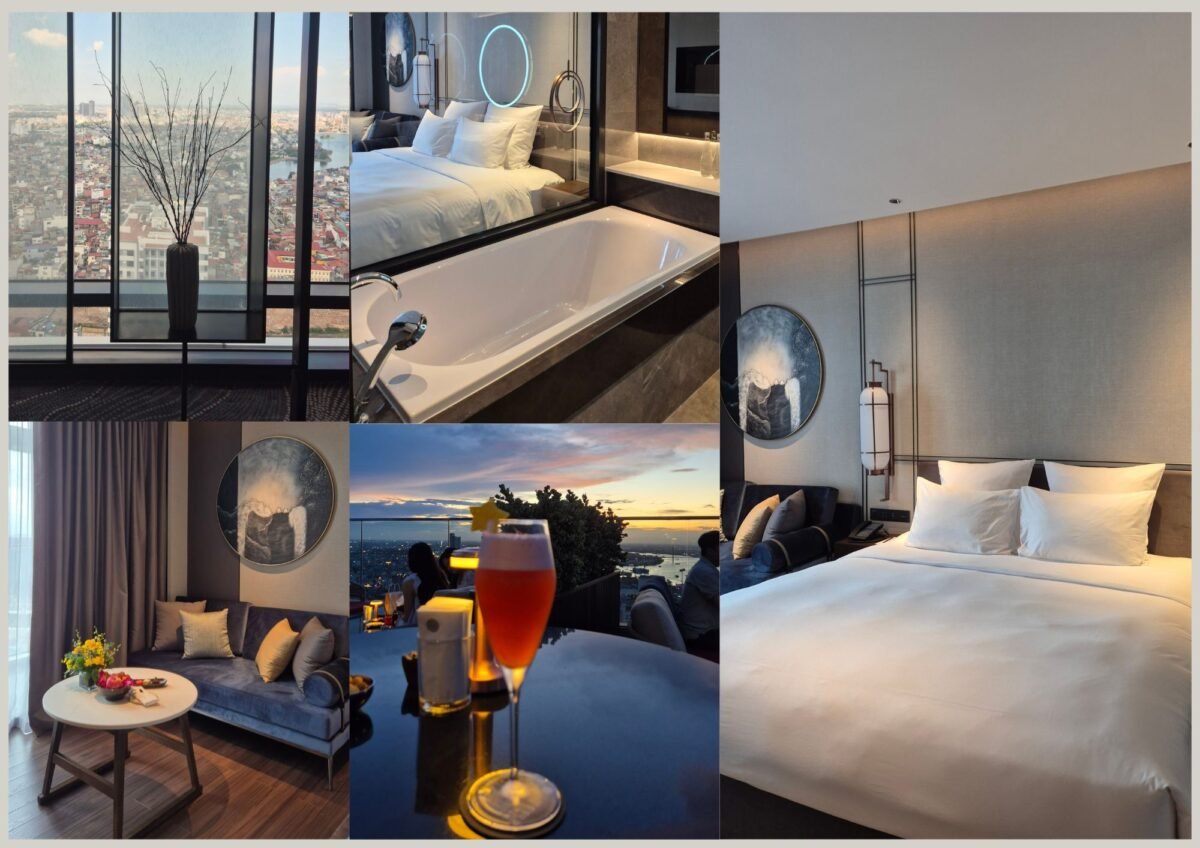
A woman living alone in Asia has three places to choose from: an Airbnb, which I have tried, an apartment on a lease, which I have only researched, or a hotel, which is where I live. A hotel gives her a staffed desk, housekeeping and a door someone else maintains. A hotel in a chain where she holds status, meaning Platinum or Diamond, adds staff who know her name, an executive lounge, free food and drinks, and room upgrades. I choose a hotel in a chain where I hold status.
Airbnb Versus Hotel: What Each Asks of Me
When Something Breaks and the Owner Is Elsewhere
Nothing was wrong with my Airbnb in Ho Chi Minh City, except that it was old and little worked well. The owner was pleasant enough, but pleasant did not fix anything. Even the kitchen, my reason for choosing it, fell short because the stove and utensils were incomplete. Cleanliness was not good either, and there was no restaurant on site if I wanted to eat without going out. Then the automatic door lock ran out of battery, so I called the owner to sort it out. Fixing it meant time going back and forth with the owner.
Housekeeping in a hotel is someone else’s job, so the cleanliness I could not rely on in Ho Chi Minh City is no longer my concern. Maintenance is the hotel’s job too. When something breaks I call reception, and it is fixed straight away instead of me chasing an owner over a dead lock battery. There is no landlord or host to manage, which leaves one question each time: whether the hotel meets my requirements or does not.
When I want to cook, I choose a hotel in a program where I hold status that has rooms with a kitchen. Those kitchens come with complete utensils, and everything in them works. If anything is short, reception brings it, which is the opposite of the incomplete stove in my Ho Chi Minh City Airbnb.
The Chores I No Longer Do
In a hotel, cooking and grocery shopping are a choice rather than a necessity. Cleaning is housekeeping’s job. Breakfast comes from the hotel restaurant. The executive lounge covers much of my food and drink, so I never have to plan a shop or a meal. When I do feel like cooking, I book a room with a kitchen, so the shopping becomes something I choose to do rather than something I must.
Laundry is the one chore I pay to send out. In Southeast Asia it is both easy and cheap. An outside laundry picks up my clothes from the hotel and delivers them back the same day. I only send a load when I have about 2 kilograms to wash, so I never have to think about it every day. Some hotels give me three free pieces a day, but that is not consistent from one hotel to the next, so I do not count on it. A room with a kitchen sometimes comes with a washing machine as well. I still prefer to have my washing done outside while I travel in Southeast Asia.
In East Asia, some hotels have self-service machine laundries. In Japan I went to the laundries outside the hotel. Either way it took up my time, which is exactly what the Southeast Asian service gives back. It does not always run smoothly: in Bangkok the laundry delivered my clothes to the wrong hotel. I do not speak Thai, so the concierge at my hotel phoned the laundry and fixed it for me in Thai.
Arriving Tired
My last Airbnb in Japan, about eight years ago, came at the end of a long flight. I was exhausted and went in circles trying to find the place. Then the automated door would not open, and I could not reach the owner, whose English was limited. That is why I plan my arrival time with care, as I explain in Why Your Arrival Time Matters More Than Flight Length.
A hotel with a staffed desk takes much of that risk away, because a person is there to let me in however tired I am. I choose hotels with a front desk staffed 24 hours, so the desk is open whenever my flight lands. In the hotels where I hold status, once I am checked in, the lounge offers drinks and, in the evening, canapes, so I can sit down and eat without going out to find a meal. Every dinner in Ho Chi Minh City required going out. I explain what else goes wrong on arrival day in The First 24 Hours of Solo Travel: Where Most Mistakes Happen.
The Day Without a Shared Language
In Ho Chi Minh City, I went all day without meeting anyone who spoke English. I saw people on the street when I bought food, but none of them spoke English. It was a lonely stay for someone travelling solo. In the hotels I stay in, the staff speak English, so I have someone to talk to at reception, in the restaurant and in the executive lounge. Those everyday exchanges ease the loneliness. In the lounges I also meet travellers from all over the world, and that makes the difference. I wrote about how I set this up in Why I Don’t Get Lonely Travelling Solo And How I Designed It That Way. The Ho Chi Minh City Airbnb had none of that design.
When the Host Cancels
Before I reached the Ho Chi Minh City Airbnb I finally stayed in, two other hosts had cancelled on me, and each time I had to search all over again. The first host asked me to cancel the booking myself instead of cancelling it himself. I suspect he wanted to protect himself from backlash from Airbnb, so I did not cancel and waited until he did. The second host cancelled with the reason that Airbnbs are not legal in Vietnam, which made me wonder why he was on Airbnb at all. The place I finally stayed in was my third booking in that city.
All that back and forth cost me time, energy and effort. None of it exists when I book a hotel. Because I travel long term, I book a month ahead of the next month’s stay. I would rather have it settled than wing it, for my own peace of mind. I keep each booking in one place with the Travel Logistics Planner I use to manage my travel logistics, which you can download on my Travel Planning page.
Apartment Versus Hotel: What a Lease Adds on Top
Each cancellation sent me back to searching. An apartment makes searching an even bigger job. An apartment asks everything an Airbnb asks and more on top: the legalities, the utilities, and finding a place that suits. I have never rented one while travelling, so everything in this section is researched rather than lived.
What an Apartment Costs Before You Unpack
Moving into an apartment typically costs between two and three months’ rent before I unpack, because a landlord asks for a deposit of two months plus the first month in advance, as the Bangkok rental guides set out. Utilities normally sit outside the rent. Some Bangkok condos charge electricity at a markup of roughly double the government rate. Internet installation usually takes a few business days, although in busy periods it can stretch to two or three weeks. These figures come from rental guides and agencies rather than official sources, but they agree closely enough to plan around.
A hotel replaces that cost with one rate. In my case the executive lounge also covers much of my food and drink, so the lower rent of an apartment would sit against a food bill that the lounge already covers in large part.
What a Lease Asks of Someone Who Keeps Moving
Leases are built around staying. A condo lease in Bangkok is almost always one year. The guides I read put the earliest break at about six months, with the deposit lost if I leave before the contract allows. A renewal needs the landlord’s agreement, so nothing renews on its own. In Ho Chi Minh City the standard terms are six or twelve months. Shorter terms cost ten to thirty per cent more.
Rent also keeps running while I am elsewhere. A lease stays in force while the tenant is out of the country, and the rent continues whether or not anyone is in the flat. I move on from each country as its tourist-visa allowance runs out, so I am out of any one country for part of every year. A lease would charge me for the apartment through every one of those absences.
The Jobs That Come With the Keys
An apartment hands me every job a hotel does for me. It adds several that an Airbnb at least spares me. The legalities come first, because there is a contract to read and sign. The rental guides say a renter in Ho Chi Minh City usually works through an agent, because owners often do not speak English. Next come the utilities, which may need to be moved into my name.
Then there is the search itself, which means viewing places, comparing them and finding one that suits. Because a lease commits me for months, I would have to get that choice right the first time. A hotel also includes the housekeeping, the towels and sheets, the bathroom supplies and the cleaning products in the room rate, whereas an apartment makes me buy, wash and restock all of them myself. Every one of those jobs takes my time. In a hotel I do none of them.
Why an Apartment Needs a Visa I Do Not Hold
An apartment makes sense for a woman who stays in one city for most of the year, because the rent then pays for every month it covers. A lease that long needs permission to stay that long, which means a long-term visa or repeated visa runs. A visa run is leaving the country and coming back to restart the stay. Visa runs are high risk, so I do not build my life on them.
I have not set my travels up that way. I move on from each country as its tourist-visa allowance runs out, so the commitment an apartment asks for does not fit how I live. Visa rules change, so before anyone signs a lease on the strength of a tourist visa, she should check the latest with the country’s immigration department, such as Thailand’s Immigration Bureau or Vietnam’s Immigration Department.
Any Hotel Versus a Hotel Where I Hold Status
I move on as each tourist-visa allowance runs out, which rules out an apartment on a lease. An apartment and an Airbnb both bring extra work and effort that I do not want. That leaves a hotel. Any hotel gives me a staffed desk, housekeeping and a door someone else maintains. My Diamond status in Accor and IHG, the highest rank in both programs, adds four things on top of that: staff who know me, an executive lounge, free food and drinks, and room upgrades.
Staff Who Know My Name
At the hotels where I hold status, staff know my name from reception to the restaurant to the executive lounge. Over breakfast, restaurant staff make me a barista coffee. At check-in I register in the executive lounge instead of queuing at reception. My bags are delivered to my room and placed on the credenza. I will not pretend this is anything but a pleasure. Status exists to be used, so I use mine. Skipping the reception queue saves real time after a long travel day.
The Executive Lounge and the Upgrades
Where a hotel has a lounge, my status gets me free breakfast, which I can have in the lounge or in the hotel restaurant. In the evening it also gets me free drinks and canapes. In some hotels the canapes are so substantial that they replace dinner. Some hotels also put out a free afternoon tea.
Under IHG’s written rules, free breakfast in the hotel restaurant comes with Diamond, although a few IHG hotels I love, Crowne Plaza Vinh Yen and Crowne Plaza Hiroshima among them, give it to Platinum members with lounge access as well. In my experience, IHG Diamond is the rank that gives me the full benefits Accor Platinum already provides, so I chase IHG Diamond on purpose. It also removes the need to check hotel by hotel what my rank covers.

Accor is different, because Accor Platinum is enough for me. I never chased Accor Diamond, which came naturally from my stays and adds more recognition than extra benefits. I book the lowest available rate. Status then gets me a room upgrade where the hotel offers one. That combination is how I keep long stays affordable and comfortable. The lounge covers much of my food and drink, and the upgrade improves the room without raising the rate I pay.
The Three Options Side by Side
In every row below, the Airbnb and the apartment leave the work with me, and the hotel hands it to someone else. A hotel where I hold status brings four things with it on top: better and more personalised service from staff who know me, an executive lounge, free food and drinks, and room upgrades.
| Airbnb | Apartment (all researched) | Hotel | |
| Who fixes it when something breaks | The owner, by phone | The landlord or agent | The 24 hour front desk |
| Who is on site at night | Often no one; in Japan I could not reach the owner | Depends on the building | The 24 hour front desk |
| What commits me, and for how long | A booking the host can cancel, as two did on me | A lease built around staying, plus a deposit | The nights I choose, at the lowest rate I can book |
| Is the person renting me the room allowed to rent it | Varies by city; one host cancelled saying Airbnbs are not legal in Vietnam | Set by the lease and local rules | Licensed to rent rooms |
| Who does the chores | Me, including the cleaning | Me, plus utility accounts | Housekeeping |
How I Choose a Hotel
The table shows what a hotel takes off my hands. How I choose one depends on whether I hold status in its chain, so I use one of two sets of rules. In Accor and IHG, where I hold status, I choose four-star hotels. I give every new one three nights before I return, scored against the framework in Japan Hotel Reviews: Six Real Stays, Tokyo to Sapporo. Outside them, where I hold no status, I choose from a checklist on Booking.com.
Where I Hold Status: Four Stars
Four stars is the minimum I accept. The reasons are the same things my status pays out. The first is service, which is better and more attentive at four stars. I rely on it every day. The second is recognition: at a four-star hotel in a program where I hold status, the staff know my name. That does not survive at three stars. The third is the executive lounge, which I look for because it gives me free food and drinks, although not every four-star hotel has one, so I check before I book. I will give up the lounge if the price is reasonable. Mercure Tokyo Haneda Airport and Mercure Hida Takayama are both four-star Accor hotels without an executive lounge. Food quality and variety matter as well, since they keep me healthy. The room upgrades at this level are generous.
Three Nights and a Scorecard
Every new hotel where I hold status gets three nights from me as a test, scored against a framework I built. A hotel that passes gets a return booking, and one that fails does not. Over time, those tests have built a list of tried and tested hotels. The scorecard has eleven categories, from the bed and the working desk to restaurant and breakfast and return-guest value.
Where I Bend the Rule
Where four-star costs are prohibitive, as in South Korea and Taiwan, I drop to three stars. In Seoul I stayed eleven nights at the Ibis Ambassador Insadong. In Taipei I choose a Holiday Inn Express. I wrote about those eleven nights in Seoul: A Developed City That Forgot Its Elders. I accept that trade-off knowingly.
Where I Hold No Status: My Booking.com Checklist
Outside Accor and IHG I have no status to rely on, so I choose from a checklist and book through Booking.com. The hotel needs a guest rating of 8 out of 10 or above. It needs a lift to the upper floors, breakfast included in the rate, and a front desk staffed 24 hours. It also needs to be less than 1 kilometre from the city, rather than remotely located. Before I book, I read the recent negative reviews, because they show what has gone wrong lately. Any woman travelling alone can run this checklist without a loyalty program.
Why I Book Through Booking.com
I book these hotels on Booking.com because I make a high number of hotel and transport bookings there. That has made me a permanent Genius member, so I never need to requalify, and I get discounts off the retail price. I am on Genius Level 3, which is the highest level. Most of it came from land transfers, with some budget flights and some non-status hotels such as the Hoinan Boutique Hotel.
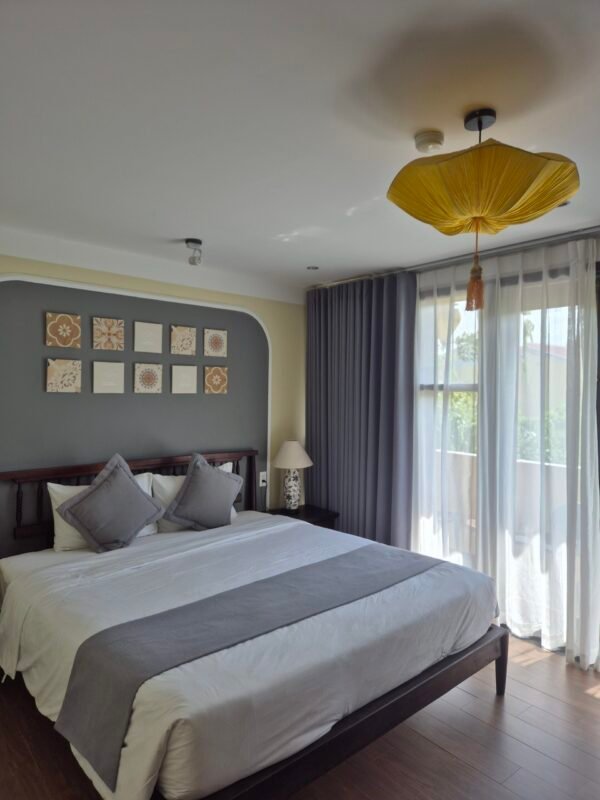
Hoi An is one place where I stay outside Accor and IHG. I spend about seven nights a year there. I usually stay at the Hoinan Boutique Hotel, which I book through Booking.com. It sits right in front of the night market. It meets every item on my checklist. It also handles all my laundry outsourcing. The IHG hotel I considered is 15 to 20 minutes from the same spot and costs more than I will pay in Southeast Asia. I will pay that kind of rate only for a five-star I really want to try.
Is It Safe to Stay in a Hotel Alone as a Woman?
Whether I book through a program or through Booking.com, the question underneath is whether I am safe alone in the building. I do not add extra locks to my door. I make the safety decision before I book, by choosing a hotel with a front desk staffed 24 hours. Where I hold status, the staff on duty also know who I am, so a problem reaches someone who already knows me.
The Night Someone Pushed Through the Door
I have always felt safe in the Accor and IHG hotels I have stayed in. The one place I did not was a boutique hotel in Chiang Mai that I booked on Booking.com, where the door was so flimsy that someone pushed through it in the middle of the night and shocked me awake. My Booking.com checklist cannot show me a flimsy door before I arrive, so that night is a risk the checklist does not cover.
Who Is on Site at Night
Who is on site at night was one of the rows in the comparison table. In a hotel the answer is a front desk staffed 24 hours, so there is always a person in the building I can reach. That is the first thing I check before I book. It is the difference from my Airbnb in Japan, where there was no one to reach. It is also why I can live without extra locks of my own.
What a Year in Da Nang Costs in Each Place
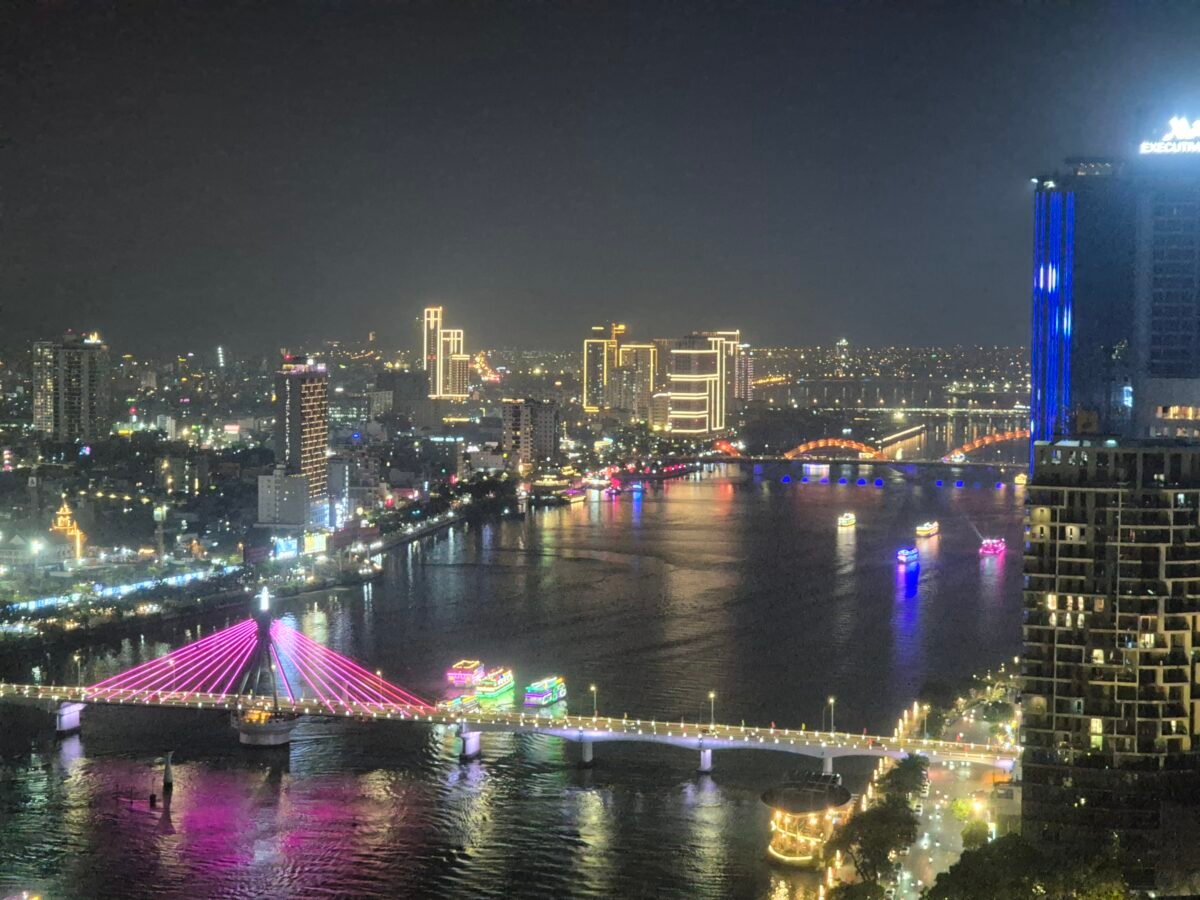
Once I know a hotel is safe, the next question is what it costs me to live there for a year. A long stay in one city is where an apartment can come out cheaper, so I priced a full year in each of the four options to see by how much. I used Da Nang, where I normally stay at the Novotel. I priced a one-bedroom with a pool and a gym in every column, because a four-star hotel comes with both. I also priced every chore at what it costs to pay someone else to do it. A tenant could do the cleaning and wash the sheets herself and pay no cash, but those hours are hers to spend, so I count them as a cost.
The hotel figure is the rate I pay, AUD 80 to 90 a night, which is AUD 29,200 to 32,850 for 365 nights. The status column takes off the one month of free accommodation that my reward points give me each year. Everything else is researched and dates from November 2026, so check current prices before planning around it.
The Year Priced Line by Line
| Per year, AUD | Airbnb | Apartment | Hotel, no status | Hotel, with status |
| Rent or room rate | 24,400 to 33,600 | 14,240 to 18,980 | 29,200 to 32,850 | 29,200 to 32,850 |
| Free month from points (my record) | None | None | None | 2,400 to 2,700 |
| Utilities | Included in the price | 780 to 1,380 | Included | Included |
| Internet | Included | 240 to 340 | Included | Included |
| Cleaning | 715 to 807 | 780 to 880 | Included | Included |
| Toiletries and household supplies | Included | 410 to 830 | Included | Included |
| Laundry of my clothes | 260 to 690 | 260 to 690 | 260 to 690 | 260 to 690 |
| Laundry of my towels and bedsheets | Included | 330 to 730 | Included | Included |
| Groceries | 3,240 | 3,240 | N/a | N/a |
| Eating out/Drinks | 4,000 to 6,900 | 4,000 to 6,900 | 4,000 to 6,900 | Included |
| Pool and gym | 1,180 (paid gym) | In the building | Included | Included |
| Yearly cash cost | 33,795 to 46,427 | 24,280 to 33,980 | 33,460 to 40,450 | 27,060 to 30,840 |
| Cash before moving in | None beyond the price | About 2,370 to 3,160 deposit, refundable | None | None |
How I Priced It
For the Airbnb column I searched for 30-night stays starting in December, February, May, August and November, so the prices cover the whole year rather than one season. Each search was for an entire home with a pool, and I priced the gym separately. I kept only the one-bedroom and studio listings, to match my Novotel room. I assume that price covers a swap of sheets and towels at each clean and a month of toiletries and household supplies. The Airbnb is the only column that carries a separate charge for the gym, at AUD 1,180 a year, because the apartment building and the hotel both include one.
The apartment column comes from current Da Nang listings for one-bedrooms in buildings with a pool and a gym, at AUD 1,190 to 1,580 a month with the management fee included. Internet is a high-speed fibre plan at AUD 20 to 28 a month, which is enough for streaming.
The hotel room rate and the free month are the only figures from my own records. I earn about 80,000 Accor points a year, worth about AUD 2,640. That is close to 30 nights at my room rate of AUD 80 to 90, so I valued the free month at AUD 2,400 to 2,700.
Eating out is one lunch at AUD 2.30 to 3.40 and one mid-range dinner with two local beers at AUD 8.70 to 15.50, priced the same in the Airbnb, apartment and plain-hotel columns. The meal prices come from Numbeo’s Da Nang prices, which date from 2021, and a 2026 Da Nang cost index. The status column shows it as included, because the executive lounge covers my food and drinks. The grocery line is a year of supermarket shopping for one person, which I charge to the apartment and the Airbnb only. I assume it covers everything needed to cook a meal, including oil, sauces and seasonings, but not pots, pans or other cooking utensils.
Cleaning is priced as a daily clean, which is what a hotel room includes, so I charge the apartment and the Airbnb for the same service. I used published hourly rates for a cleaner in Da Nang, booked in four-hour packages, and spread the cost across the year so that it does not depend on how often each place is actually cleaned. The Airbnb is charged for 11 months of cleaning instead of 12, because each month’s price already includes the cleaning fee for the clean at checkout.
Toiletries and household supplies come from a published monthly estimate for one person, which I charge to the apartment only. Airbnb’s guide for hosts of monthly stays says guests expect enough toilet paper and soap for the whole stay. That estimate is built on Ho Chi Minh City prices, which it calls the dearest of the three cities. It probably overstates Da Nang and makes the hotel look better than it should.
Laundry of my own clothes is the same in all four columns because it is the one chore I pay to send out wherever I stay. The range comes from a Da Nang cost guide for a solo traveller. Towels and bedsheets are different, because a hotel washes them as part of the room, an Airbnb adds no cost for them beyond the cleaning already counted, and an apartment leaves them to me. I assumed one change a week of a double sheet set, towels and a bath mat, which is about 4.5 to 6.2 kilograms on published weights. I priced it at the Da Nang pick-up-and-delivery rate of AUD 1.40 to 2.30 a kilogram.
What the Numbers Say
Among the hotels, status wins outright. Without status the year costs AUD 33,460 to 40,450, because I pay for my meals and drinks. With status it costs AUD 27,060 to 30,840, which is AUD 6,400 to 9,610 a year less. Food and drinks come with the lounge, and one month of accommodation is free because of my reward points.
The Airbnb, at AUD 33,795 to 46,427, costs AUD 6,735 more than my status hotel at the cheap end and AUD 15,587 more at the dear end, so it is dearer at both.
The apartment is the only option that comes close to my status hotel. It costs AUD 24,280 to 33,980 a year, which runs from AUD 2,780 cheaper than my status hotel to AUD 3,140 dearer. At the cheap end the gap is AUD 232 a month. For that AUD 232 a month, the hotel gives me my time back, because the searching, the lease, the utilities, the groceries, the cooking, the cleaning and the maintenance all stay with someone else.
The hotel also gives me a front desk that fixes the lock, staff on site at night, and no lease to carry through the months I am out of the country. So even when the apartment costs the same or less, it carries a cost the table does not show, which is what else I could have done with those hours. For a retiree, those hours are what retirement was meant to give back.
Why I Choose a Hotel Where I Hold Status
When I ask where a woman travelling alone should live, I compare an Airbnb, an apartment and a hotel. The Airbnb had an incomplete kitchen, it left me chasing an owner by phone when the lock battery died, and it sent me searching again when two hosts cancelled.
The apartment costs about the same as a hotel where I hold status, so cost does not decide it. Two things do. The first is the work, because an apartment leaves all of it with me, and every hour of it is an hour I could have spent on something else. The second is the lease. An apartment lease runs for months, and staying that long needs a long-term visa or repeated visa runs, which means leaving the country and coming back to restart the stay. Visa runs are high risk, so I will not build my life on them.
A hotel asks for none of that, because I book the nights I need and move on when my tourist-visa allowance ends. The hotel also hands the fixing, the cleaning and the arranging to someone else, so the hours I would spend on groceries, cooking and chasing owners stay mine.
My verdict is a hotel where I hold status, because the executive lounge, the staff who know my name and the upgrades come on top of the room. Where I do not hold status, I choose from my Booking.com checklist. A woman retiring this way is buying time, and the hotel room is just where she spends it.
Travel Logistics Planner
A simple framework for thinking through the logistical side of travel — flights, entry requirements, accommodation and transfers — before the journey begins.
Delivered instantly. Occasional thoughtful updates from the road.


