
My first night in Tokyo, I spent close to two hours working my way through Shinjuku Station’s underground maze of exits, unable to find the one that would put me anywhere near my Airbnb, while my host waited outside in the dark for us to show up. That was eight years ago, on my first trip to Japan with a friend, before I understood anything about how this city works. It didn’t put me off. If anything, it was the beginning of something I’d return to keep exploring.
Tokyo tends to provoke strong reactions. People describe it as overwhelming, exhausting, emotionally distant, or simply “too much,” often followed by “but I’m glad I went.” That combination is telling. It suggests a city people admire without quite feeling at home in.
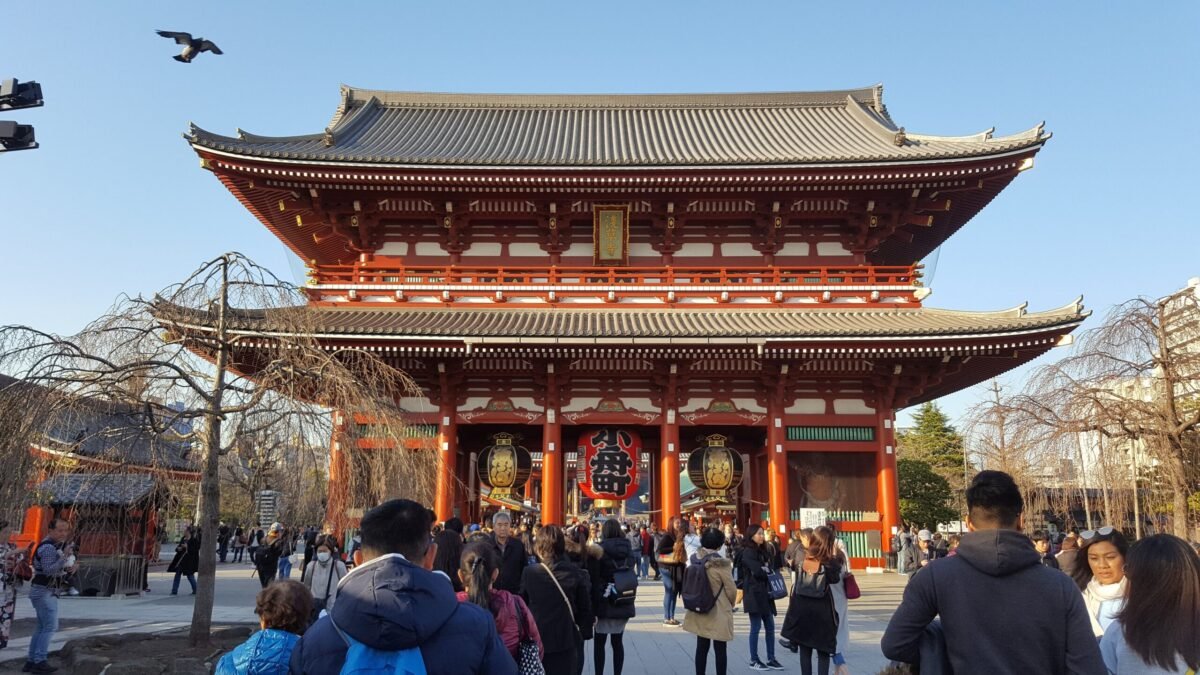
I understand where that perception comes from — my own first day proves I’m not immune to it. What’s different is that one disorienting arrival didn’t become the whole story. Tokyo isn’t inherently harder than people say. It rewards patience and punishes compression, and once you know that, the rest follows.
Why So Many People Find Tokyo Overwhelming
Treating Tokyo as a One-and-Done City
Many first-time visitors arrive with a sense of urgency. There’s so much to see that it feels wasteful not to pack everything into one trip. Famous districts, headline temples, major intersections, and shopping areas all get scheduled tightly, often with little space between them. By the end of the visit, fatigue sets in, before you’ve even reached the rest of the cities on your itinerary.
The conclusion many people draw is that Tokyo itself is overwhelming. In practice, it’s often the compression doing the damage, not the city’s inherent demands.
What Happens When Everything Is Stacked into One Trip
Tokyo is dense and stimulating in the areas most visitors prioritise. Stack high-energy experiences back-to-back over several days, and the mind doesn’t get much chance to reset. Even places you were excited to see start to blur together. Decision-making gets harder. Enjoyment gives way to endurance.
That’s not a sign Tokyo isn’t suitable. It’s what happens when a city with this much to offer gets treated as something to absorb in a single pass.
Why This Leads to the Wrong Conclusion
When people leave Tokyo feeling drained, it makes sense they’d conclude the city is simply “too much.” What’s less often acknowledged is that very few cities with this much to offer reward being rushed. Tokyo just makes that mismatch obvious.
That’s worth saying plainly: you can’t blame a city for your own itinerary. The exhaustion is real, but it belongs to the schedule, not the destination.
None of this is only a feeling, either. Japan sits ninth on the Global Peace Index and 22nd out of 181 countries on the Georgetown Institute’s Women, Peace and Security Index — one of the stronger global results for how safe and included women are in daily life. The reputation isn’t hype. It’s measurable, and it’s the backdrop against which the rest of this happens.
A Kind of Attention I Didn’t Expect
Safety That Stops Feeling Like Vigilance
Tokyo ranks among the destinations solo travellers consistently rate as the safest anywhere. It isn’t just Japan as a country that scores well — trackers that survey solo female travellers city by city consistently place Tokyo itself near the top of the list, with high marks specifically for how comfortable women report feeling moving around alone. That context changes what safety actually feels like once you’re there. You stay aware of your surroundings, but you stop bracing for anything. The background vigilance that so much of solo travel demands elsewhere simply isn’t required here, and its absence is more noticeable than you’d expect, until you feel it lift.
Being Alone Draws No Attention
Eating alone, walking alone, spending an entire day without speaking to anyone — none of it invites comment in Tokyo. Much of that comes down to how the city runs on systems rather than conversation. Most restaurants I visited on my second trip took orders and payment through a tablet at the table, start to finish, with no waiter involved until the food arrived. Westerners sometimes read that as cold. As a solo diner, I found it freeing. Nobody has to negotiate a table for one, explain themselves, or perform a reason for eating alone. You sit down, you order, you eat, and the whole interaction asks nothing of you socially.
The Day a Stranger Gave Us His Whole Day
On our second day in Tokyo, eight years ago, a friend and I met a guide recommended by someone back home — a retired Japanese man in his sixties, working for one of the city’s free walking tour services. We bought him lunch and brought him small gifts from Australia. He took us to sights we’d have found on our own eventually. What we wouldn’t have had were his stories about them. He didn’t clock off at five. We were still together at seven, well past anything two lunches and a few souvenirs could be said to cover.
I noticed the same thing on my second trip, eight years later — a quiet, practical kind of care in interactions that doesn’t announce itself. Someone walks you to the right platform instead of just pointing. It’s not dramatic, and it’s easy to miss if you’re moving too fast to notice. Once you do, it changes how the whole city feels to move through, especially travelling alone.
Tokyo Only Makes Sense When You Build in Contrast
What changes the experience is contrast. Tsukiji’s outer market is loud, dense, and constantly moving — stalls jostling for space, vendors calling out, crowds squeezing through narrow aisles. Walk ten minutes from there into Hama-Rikyu Gardens, and the noise drops away almost completely. Ueno Park does the same job against Ameyoko, the market street running right alongside it. Cross from one into the other and the entire register of the day shifts.
Tokyo doesn’t force this rhythm on you, but it makes it available. Quiet spaces are woven through the city rather than pushed to the outskirts. Ignore that and keep stacking intensity, and Tokyo can feel relentless. Alternate deliberately, and it becomes far more workable.
The Contrast Pairs I Actually Use
- Harajuku (busy) → Meiji Shrine (calm)
- Senso-ji, Asakusa (busy) → the Sumida River walk right behind it (calm)
- Tsukiji Outer Market (busy) → Hama-Rikyu Gardens (calm)
- Ameyoko Market (busy) → Ueno Park, including the Tokyo National Museum (calm)
- Tokyo Station and Marunouchi (busy) → the Imperial Palace East Gardens next door (calm)
- Shinjuku (busy) → the free observation deck at the Tokyo Metropolitan Government Building and Shinjuku Gyoen National Garden (calm)
- Shibuya, full day → café breaks built into the day rather than a change of location
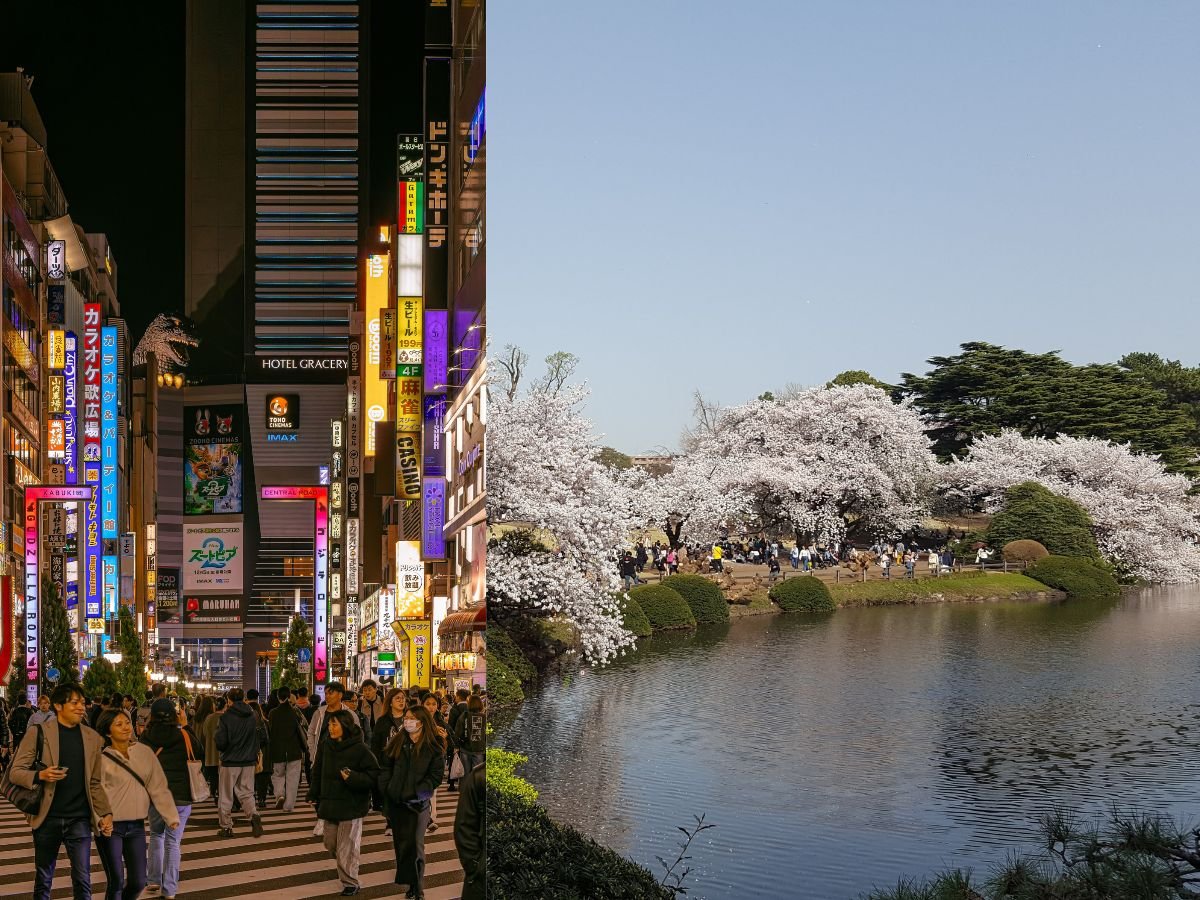
That list alone is close to a week of pairings, and it only scratches the surface of what Tokyo actually holds. Most Tokyo itineraries run three days. Three days is enough time to exhaust yourself and then blame the city for it, which is exactly the mismatch sitting underneath why so many people leave disappointed. Tokyo isn’t asking for more effort. It’s asking for more time.
What Changed When I Stopped Compressing It
On my first trip, I tried to see as much of Tokyo as I could in the days I had, the way most first-time visitors do. On my second trip, forty days across Japan this past June, I did something different. I gave Tokyo ten nights at the start and another four at the end, right before flying home, and I refused to compress either stay into a checklist.
I based myself at the Mercure Tokyo Haneda Airport, well outside the city centre, and used the subway to move in and out as needed rather than staying in the middle of everything. Connectivity and a transit card were both sorted before I landed — I’ve written up exactly how in Digital Apps, eSIM, VPN: Sorted Before I Land in Japan and The Transit Card You Need for Public Transport in Japan — which meant I wasn’t solving logistics on top of everything else my first day. That single decision changed the rhythm of the whole visit. I wasn’t rushing from the hotel into the density of downtown each morning. I had a quiet base to return to, and Tokyo stopped feeling like something I had to keep up with.
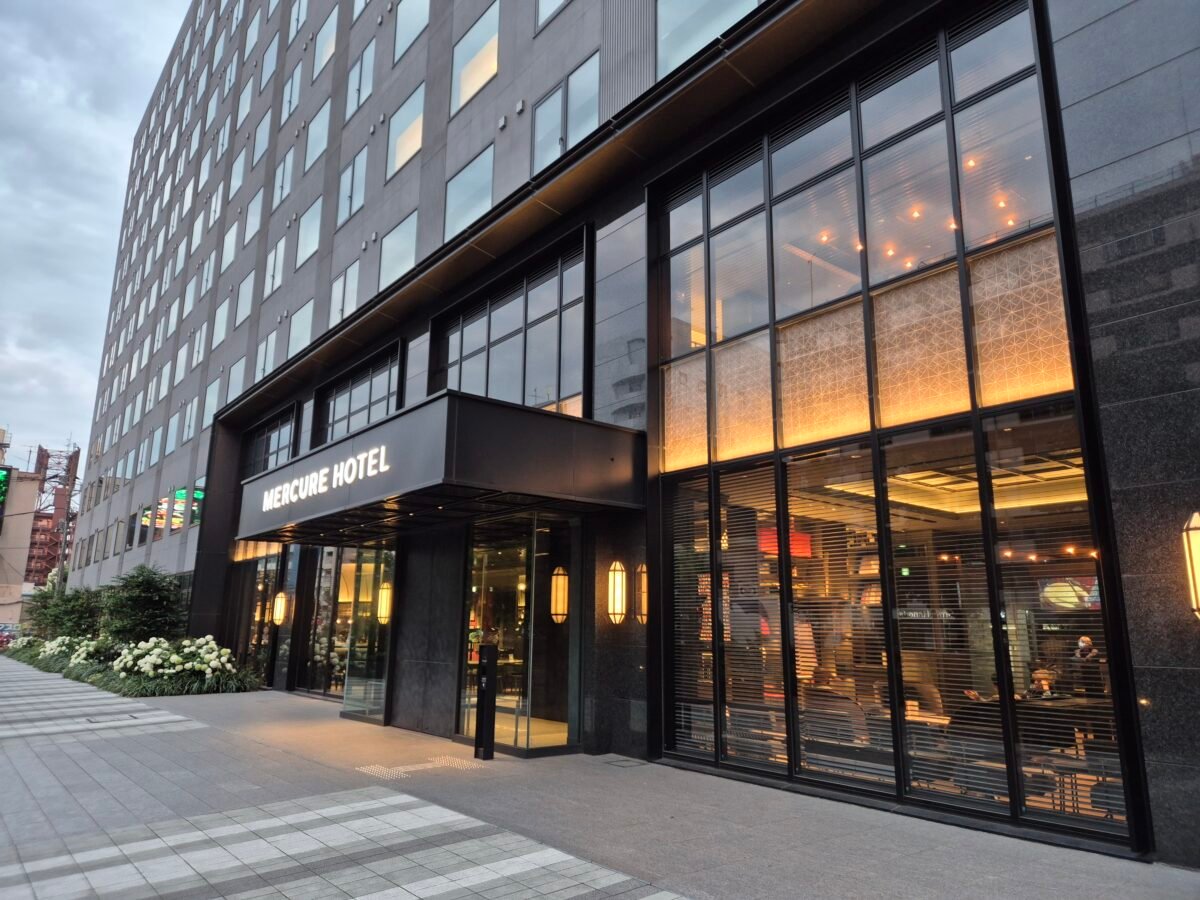
Letting it breathe, rather than compressing it, is the entire argument of this article translated into fourteen actual nights. I still didn’t see everything. I didn’t need to. What I saw, I saw properly.
It’s Not Just Systems — It’s Culture and Etiquette
Much of the disorientation Western travellers feel in Tokyo comes from social expectations that don’t match what they’re used to at home.
The Quiet on Trains
You notice it almost immediately. A carriage holding several hundred people can move through the city in near silence — no raised voices, no phone calls, no music leaking from headphones. Nothing enforces it visibly. People simply agree to it, and once you fall into the same rhythm, the quiet stops feeling strange and starts feeling like relief.
Queuing, and My Honest Reaction to It
Tokyo queues for almost everything, in an orderly, unhurried way most cities can’t manage. I don’t love queuing, so I generally avoid it rather than join it — there are plenty of excellent restaurants with no queue at all if you’re willing to look past the famous ones, and eating outside normal mealtimes solves most of the problem on its own. That’s a personal preference rather than a criticism. The system works because people commit to it far more consistently than I do.
Where the Rubbish Bins Actually Are
Public bins are almost nonexistent on Tokyo’s streets, and first-time visitors find that genuinely disorienting. The reason is cultural rather than careless — people are expected to carry their own rubbish rather than offload it in public space, which is part of why the streets stay this clean without an army of cleaners. Convenience stores are usually your best bet when you need to get rid of something. The habit itself says something about how Tokyo keeps order: through behaviour, not infrastructure.
Language Limitations Are Real — and Manageable
Tokyo isn’t an English-speaking city the way London or Sydney are, but that gap has narrowed noticeably. On my most recent trip, English showed up everywhere I actually needed it — restaurants, drugstores, convenience stores, hotel front desks. Staff switch to English easily in most tourist-facing businesses, and where it’s more limited, daily life still runs largely through systems rather than conversation: signage, visual cues, ticket machines. You can function without lengthy explanation, and language ends up mattering far less than most visitors expect going in.
I’ve gone through exactly how I manage the day-to-day logistics — connectivity, getting around, ordering without much shared language — in Tokyo Practical Guide: What to Expect and How to Handle It, if you want the practical version alongside this one.
Tokyo Is a City of Layers
Most people’s first impression of Tokyo comes from a narrow slice of the city — the famous districts, the busiest transport hubs, the most photographed spots. That slice is real, but it isn’t the whole picture.
On my second trip, eight years after the first, I finally had time to see past it. Odaiba gave me a different, more modern side of the city — reclaimed land, wide waterfront views, and a driverless monorail gliding between them. Yokohama, technically its own city, felt like Tokyo’s quieter, harbourside cousin, complete with its own Chinatown to wander through. Marunouchi carries history in its streets and its buildings, understated in a way the rest of Tokyo rarely is. Ginza does something entirely different — world-class shopping, anchored by flagship stores from Japan’s own design houses rather than the usual international names. Shimokitazawa was the opposite again — small, scruffy, full of secondhand shops and independent cafés, the kind of neighbourhood that never makes a first-timer’s list.
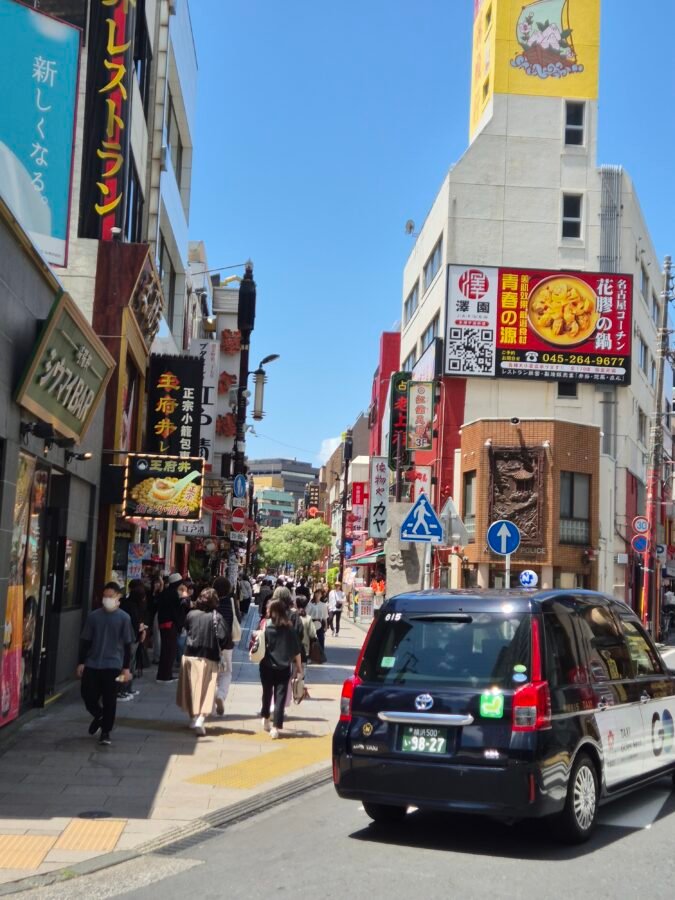
None of it was hidden on that first trip. I simply didn’t have the time for it — I was moving fast and ticking off a list, the way most first-time visitors do. The second trip brought a different layer into focus, not because the city had changed, but because my relationship with it had.
For most visitors, Tokyo isn’t the only stop. It matters even more once Tokyo is followed by a city like Kyoto, which runs on a much stricter set of rules — I’ve written about exactly how in Kyoto Is Revered — but It Operates on Stricter Terms. Osaka, by contrast, is the release valve after that, which I get into in Osaka Travel: Why It Feels Easy and Why I Didn’t Return.
Both of my Japan trips started here in Tokyo, eight years apart, and the two versions of me who arrived couldn’t have been more differently prepared. I’ve written up the full contrast, and the system behind the second one, in Planning a Japan Trip? Start With the System, Not the Cities.
Why I’ll Keep Coming Back
On my last day in Tokyo that first trip, I sat on the tenth floor of Daimaru, above Tokyo Station, eating a matcha parfait at Tsujiri that was better than it had any right to be. I made a vow, sitting there, that I’d come back and find out what else this city had.
Eight years later, on my second Japan trip this June, I kept it. Forty days took me through cities I’d never seen, but Tokyo was the one I built the whole trip around, opening it and closing it. On my final afternoon before flying home, I set out to find that same parfait again. I’d forgotten the name of the restaurant, and Tokyo Station’s underground layout doesn’t forgive that kind of gap. After a fair amount of doubling back through corridors that all looked the same, I did what I’d done constantly across the whole trip and asked ChatGPT to help me track it down — the same habit I’ve written about in Forget AI Itineraries – This Is What AI Is Actually Good For When You Travel Alone. It found Tsujiri. I ordered the same matcha parfait.
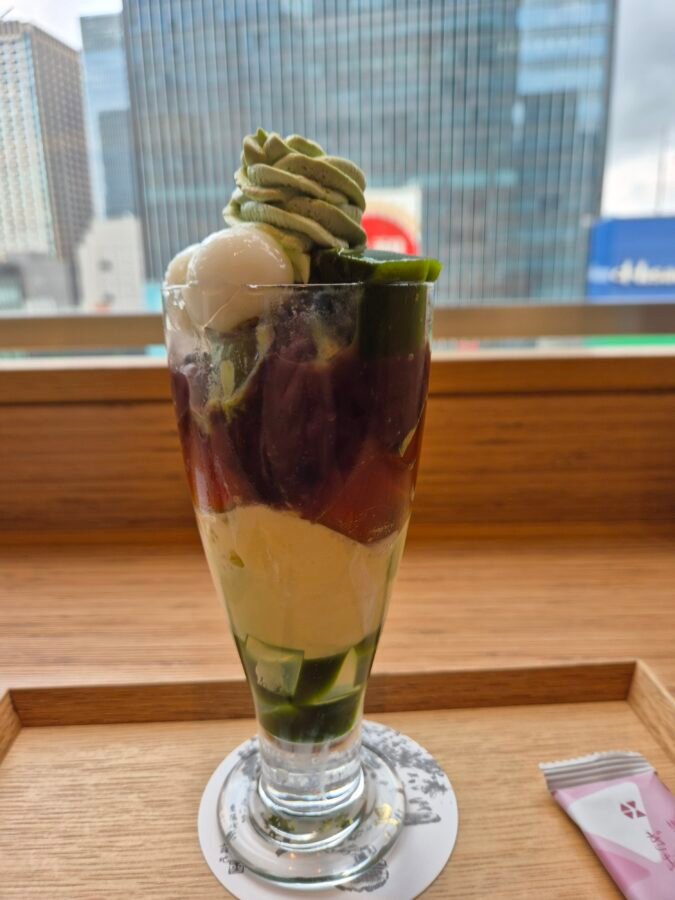
That’s the clearest answer I have for why Tokyo works for me. Not because it’s easy, and not because it never tests you — my first night here was spent lost underneath Shinjuku Station, after all. It works because it gives you enough, on the first pass, to make a promise to yourself worth keeping. I’m already planning to return to Japan every year from here. Tokyo will always be on the itinerary.
Travel Logistics Planner
A simple framework for thinking through the logistical side of travel — flights, entry requirements, accommodation and transfers — before the journey begins.
Delivered instantly. Occasional thoughtful updates from the road.